Insights
CSDDD Insights
Plain-English CSDDD explainers and updates, written for the people who have to comply, and the suppliers who get the requests. New entries land here as the rules move.
The UK-EU ETS Linkage Negotiation: What It Means for CBAM Exemption - and When
UK goods entering the EU face CBAM charges today - with no carve-out. The only route to exemption runs through ETS linkage. Here's the state of that negotiation, what it would actually change, and how to plan under uncertainty.
CBAM's Missing Half: What the Temporary Decarbonisation Fund Means for EU Exporters
CBAM equalises carbon costs on imports but leaves EU exporters exposed as free allocation disappears. This post explains the export carbon leakage gap, the proposed Temporary Decarbonisation Fund, and what exporters should do now.
CBAM and Customs Special Procedures: Why Inward Processing Defers Your Obligation, Not Cancels It
Inward processing doesn't exempt you from CBAM - it defers it. Here's exactly when the obligation triggers, what data you need to hold, and who must be the authorised declarant.
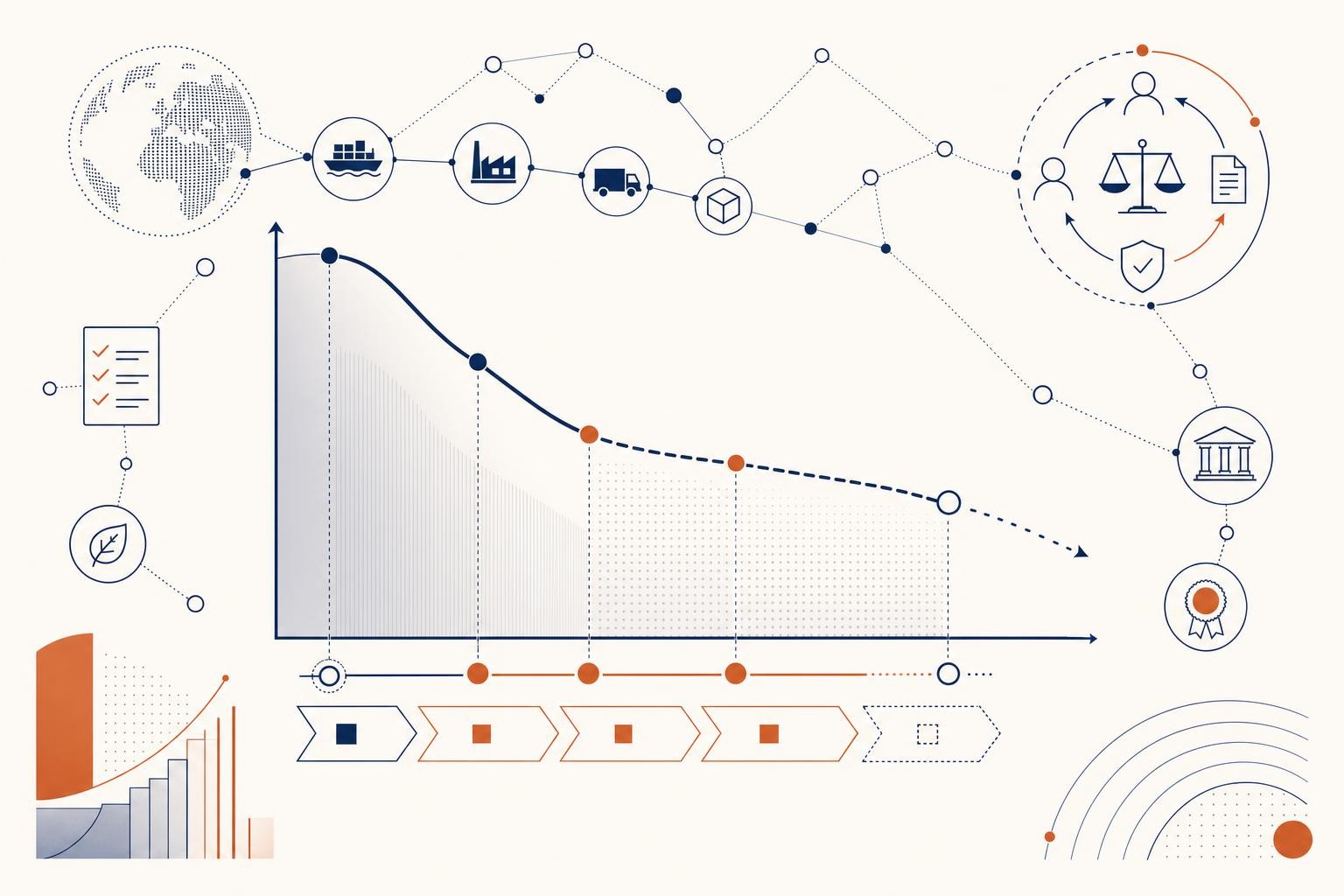
The CBAM Cost Curve Just Changed: What the Commission's July 2026 ETS Proposal Means for Your Import Budget
The Commission's 17 July 2026 ETS revision slows the CBAM phase-in and pushes full phase-out to 2038. Here's exactly what that does to your certificate bill - and what's still uncertain.
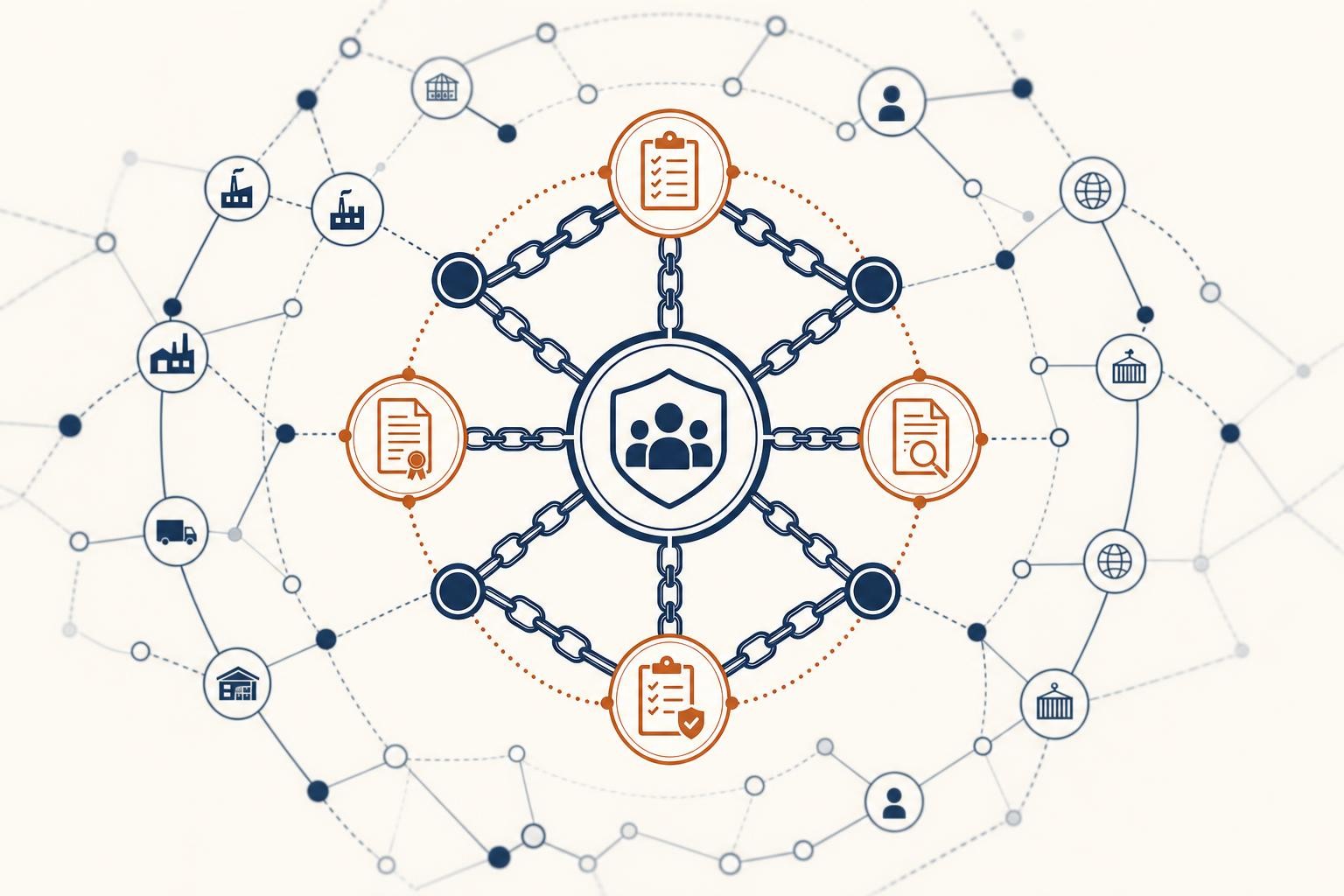
CBAM Anti-Circumvention: Why Resource Shuffling Is Now a Sourcing and Documentation Problem
Resource shuffling and artificial supply-chain restructuring are the two circumvention risks now driving CBAM's legislative reform. Here's what importers and suppliers need to document - and why.
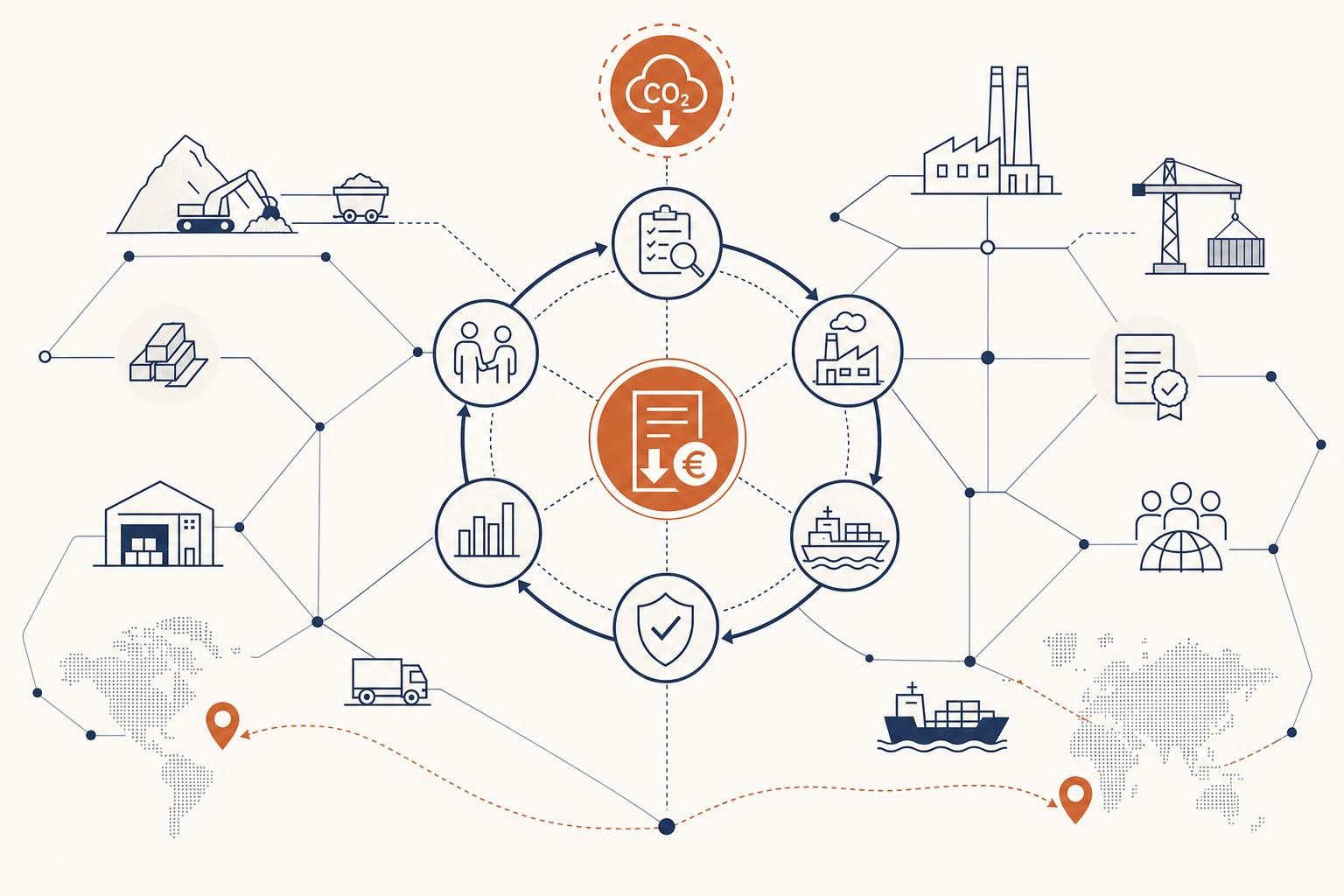
The Article 9 Deduction: How to Cut Your CBAM Certificate Bill with Carbon Prices Paid Abroad
Article 9 of Regulation (EU) 2023/956 lets you deduct a carbon price already paid in the country of origin from your CBAM certificate obligation. Here's exactly how it works - and how to claim it.
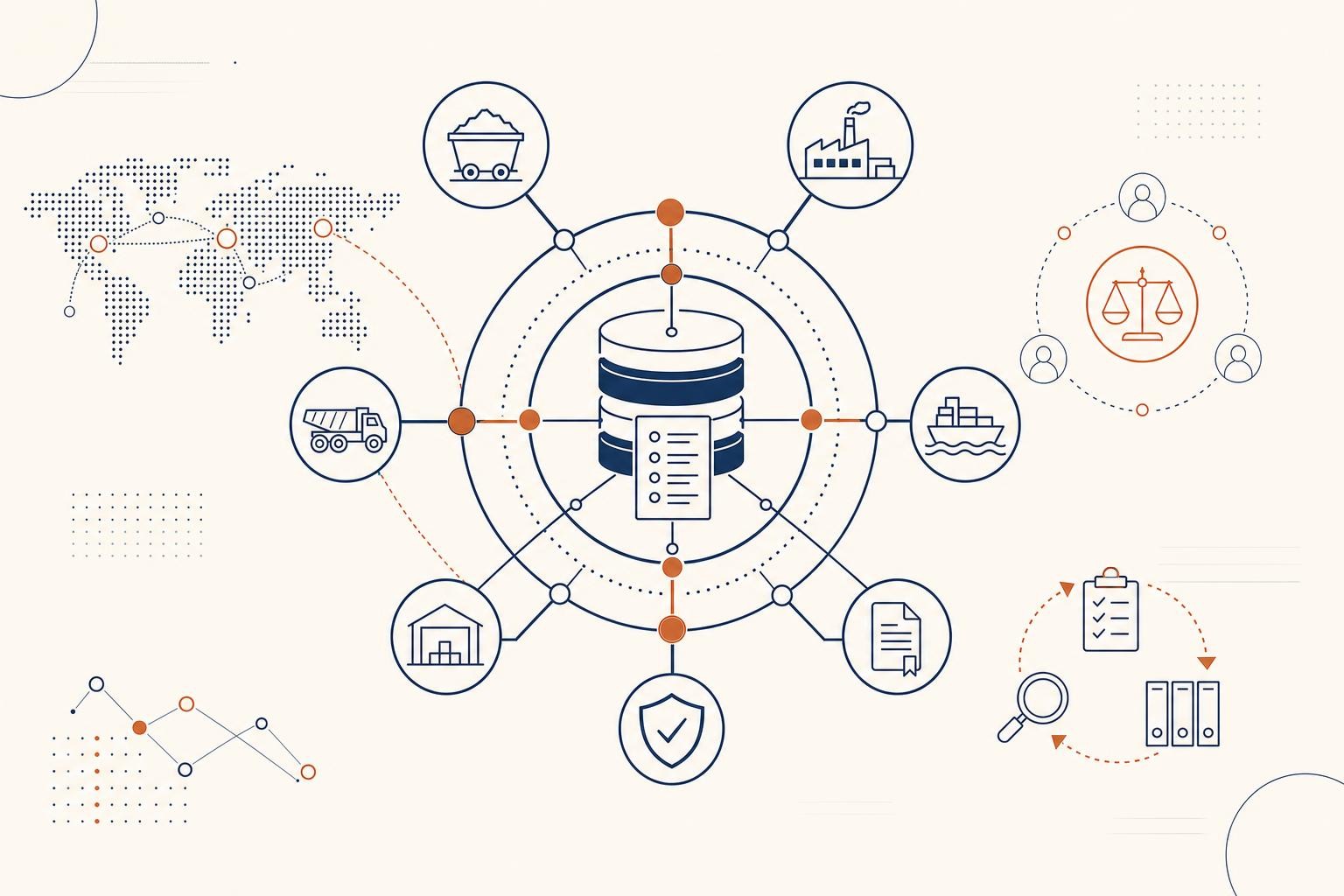
CBAM Record-Keeping and Audit Readiness: The Importer's Practical Guide
CBAM compliance isn't just about the 30 September declaration. Here's the practical guide to the data trail, four-year retention rules, and NCA audit readiness every authorised declarant needs.
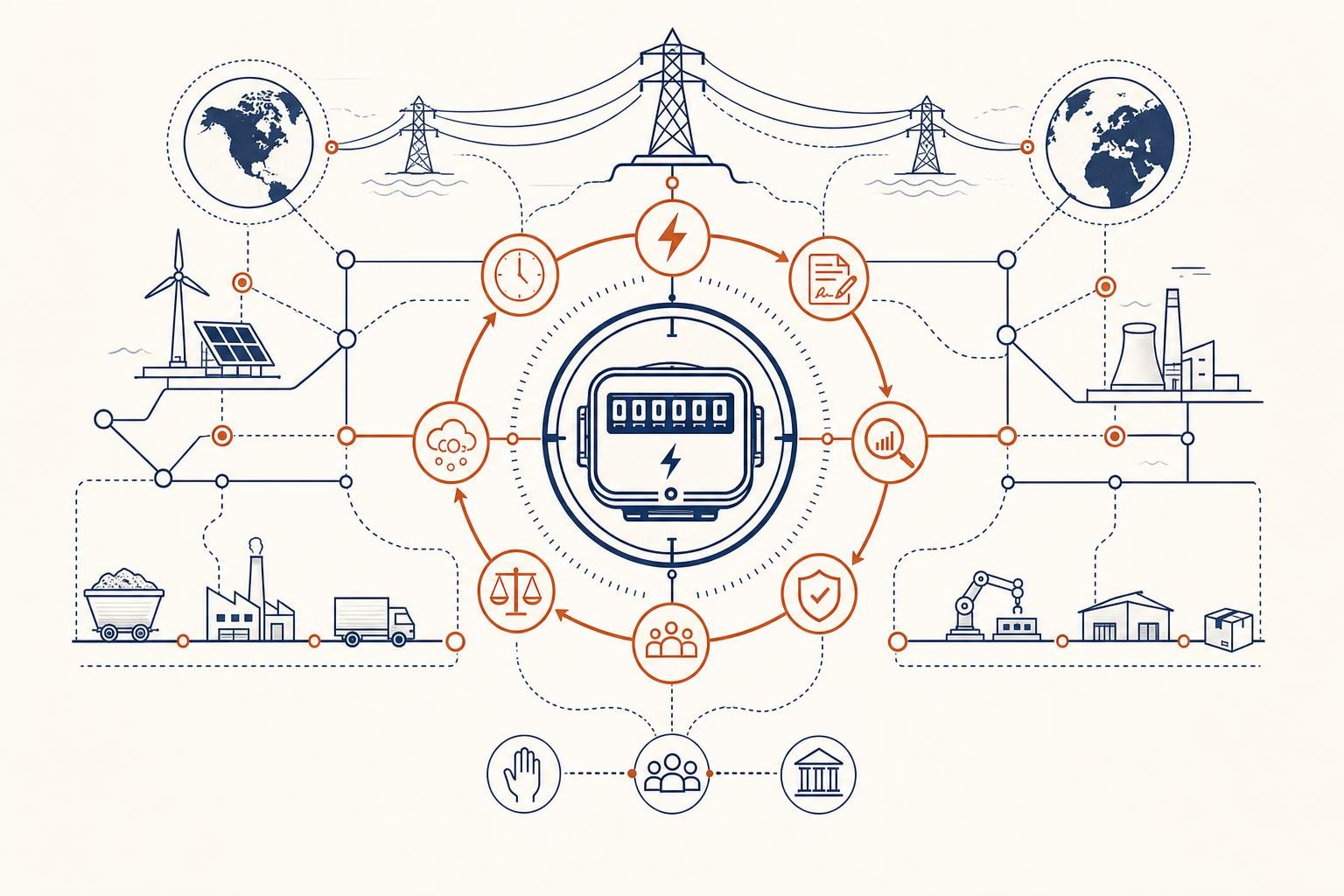
CBAM and Imported Electricity: Why the Physical Hourly PPA Is Now the Only Route Off the Default
Electricity behaves differently under CBAM than any other covered sector. Here's exactly how the definitive regime works for cross-border power - and why only a physical hourly PPA can reduce your liability.
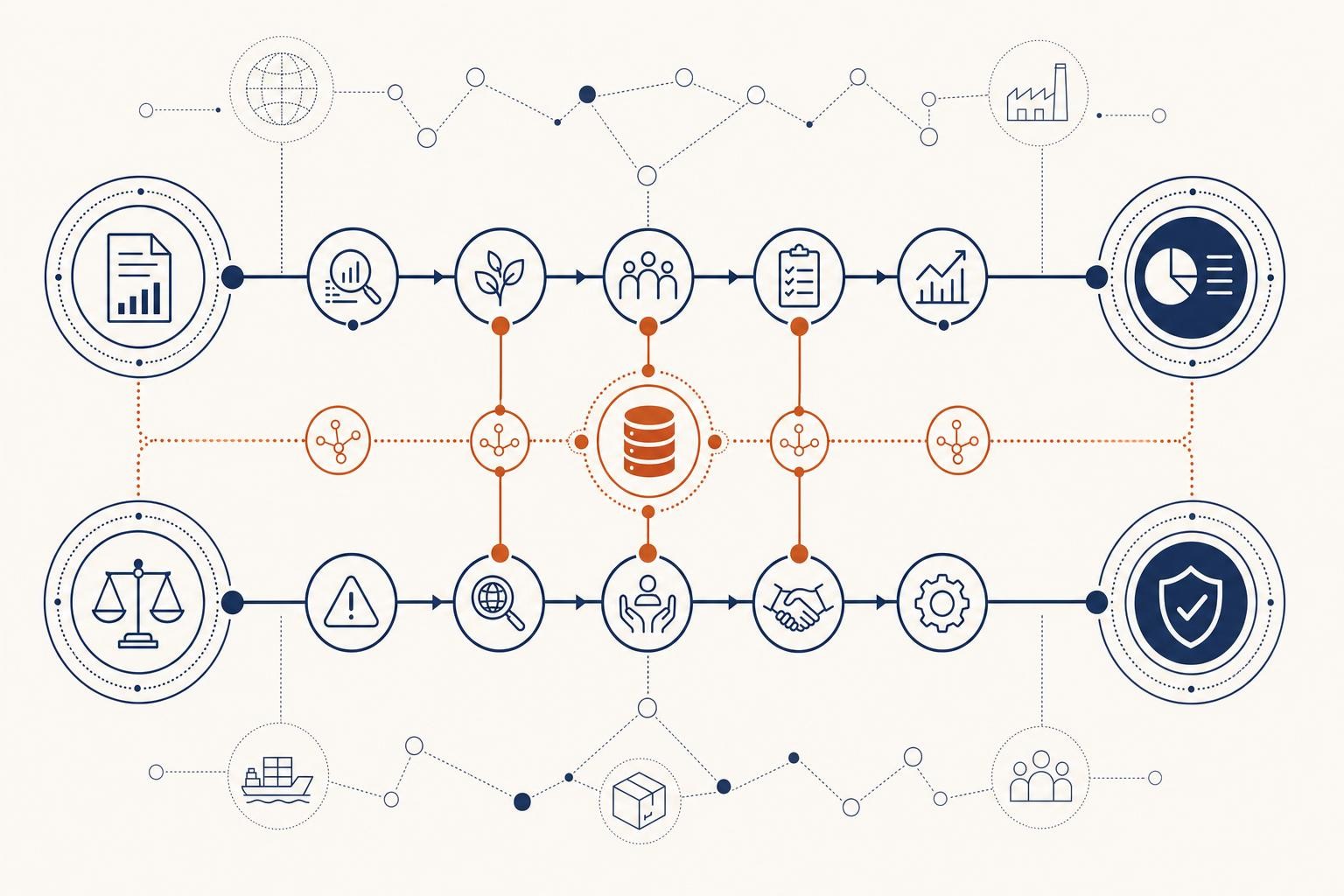
CSRD and CSDDD After Omnibus I: Two Directives, One Data Strategy
Omnibus I put CSRD and CSDDD on different clocks - reporting by 2027, due diligence by 2029. Here's how the two directives interlock and what to do in the gap.
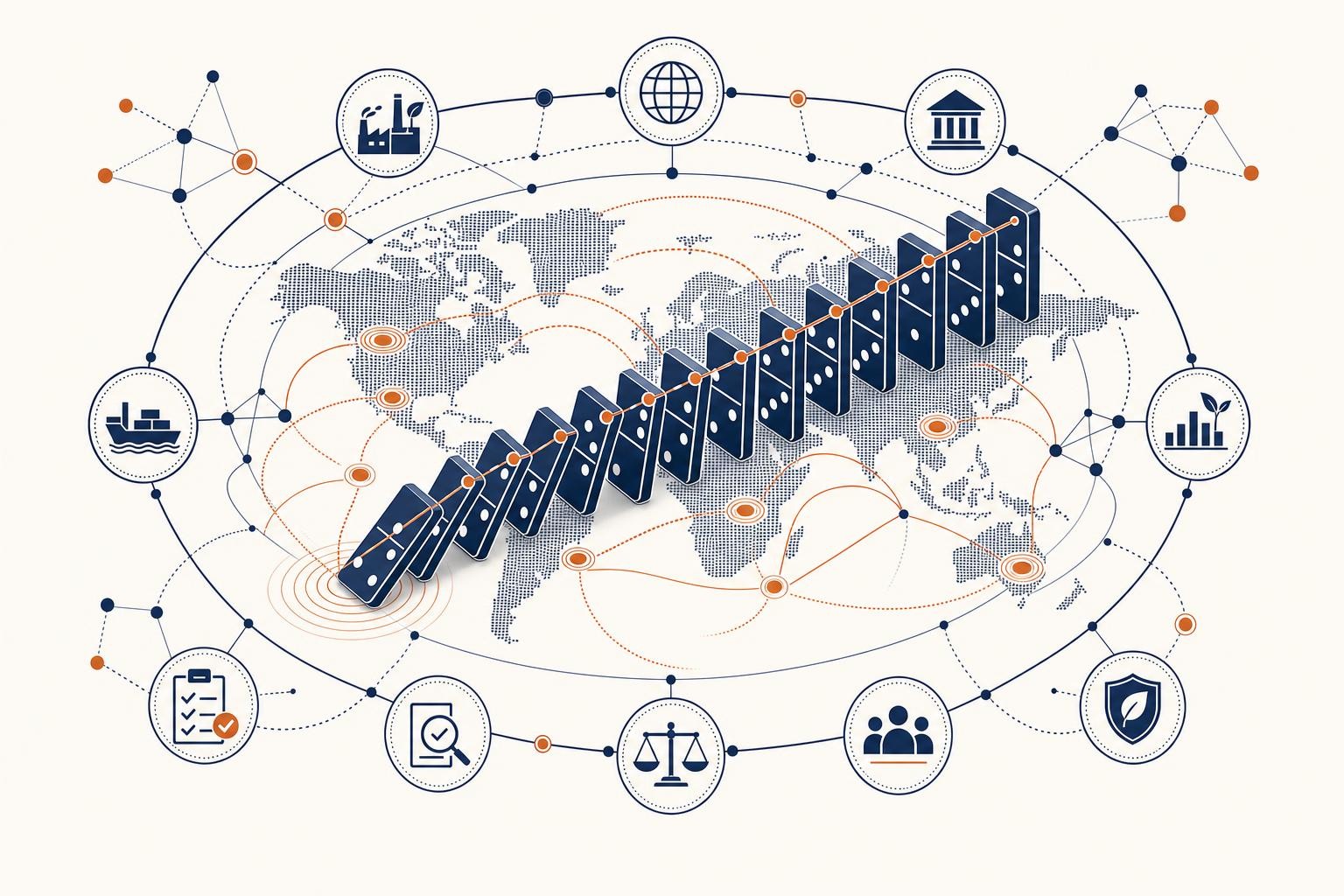
Beyond the EU: The Carbon Border Tax Domino Effect Is Already Here
The EU CBAM is live. The UK's follows on 1 January 2027. Australia, Canada and others are in motion. Here's what the global spread of carbon border taxes means for exporters and importers right now.
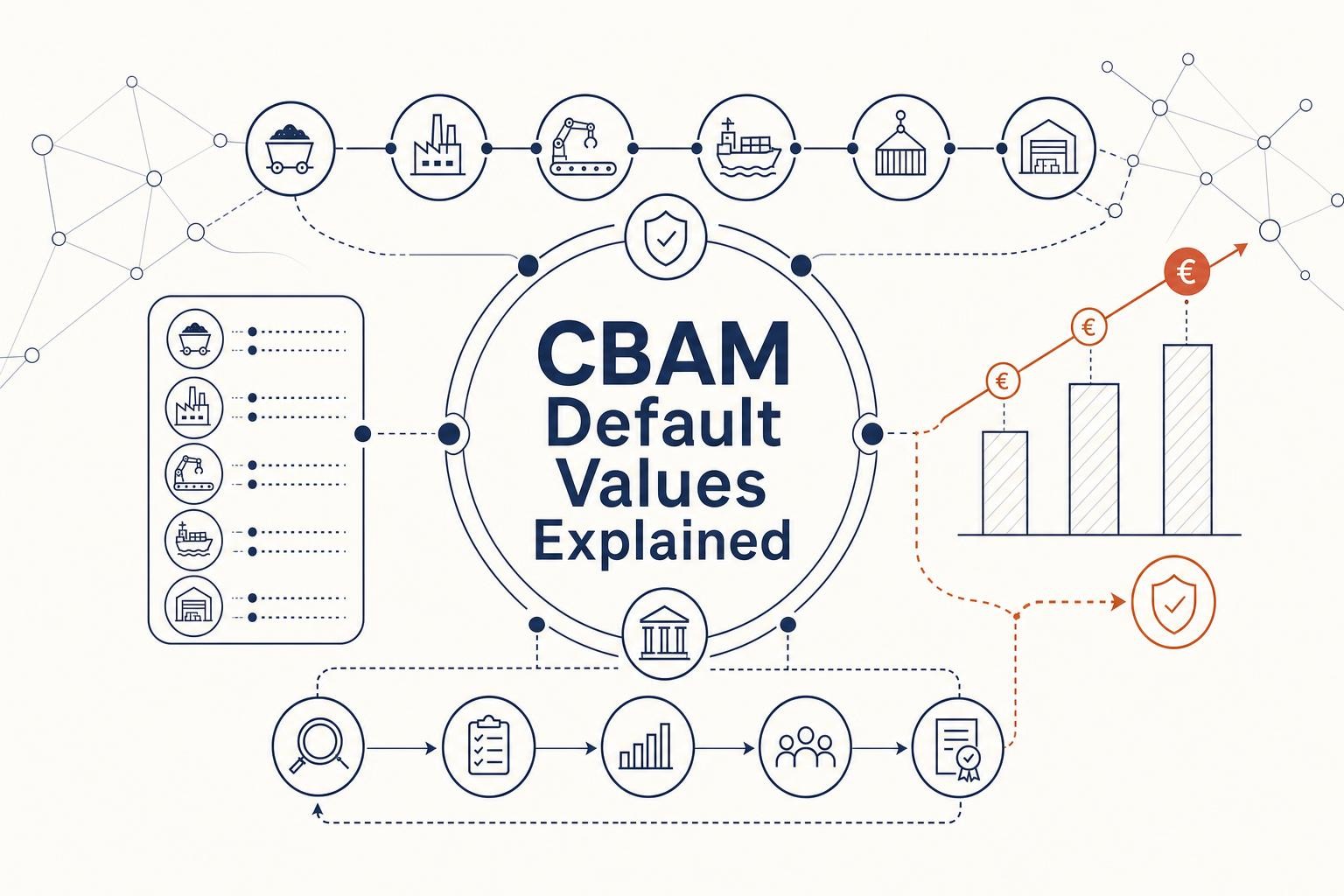
CBAM Default Values Explained: What They Are, Why They're Expensive, and How to Escape Them
CBAM default values are deliberately set high - and carry a markup rising from 10% in 2026 to 30% by 2028. Here's what they are, when you're stuck with them, and how to get off them.
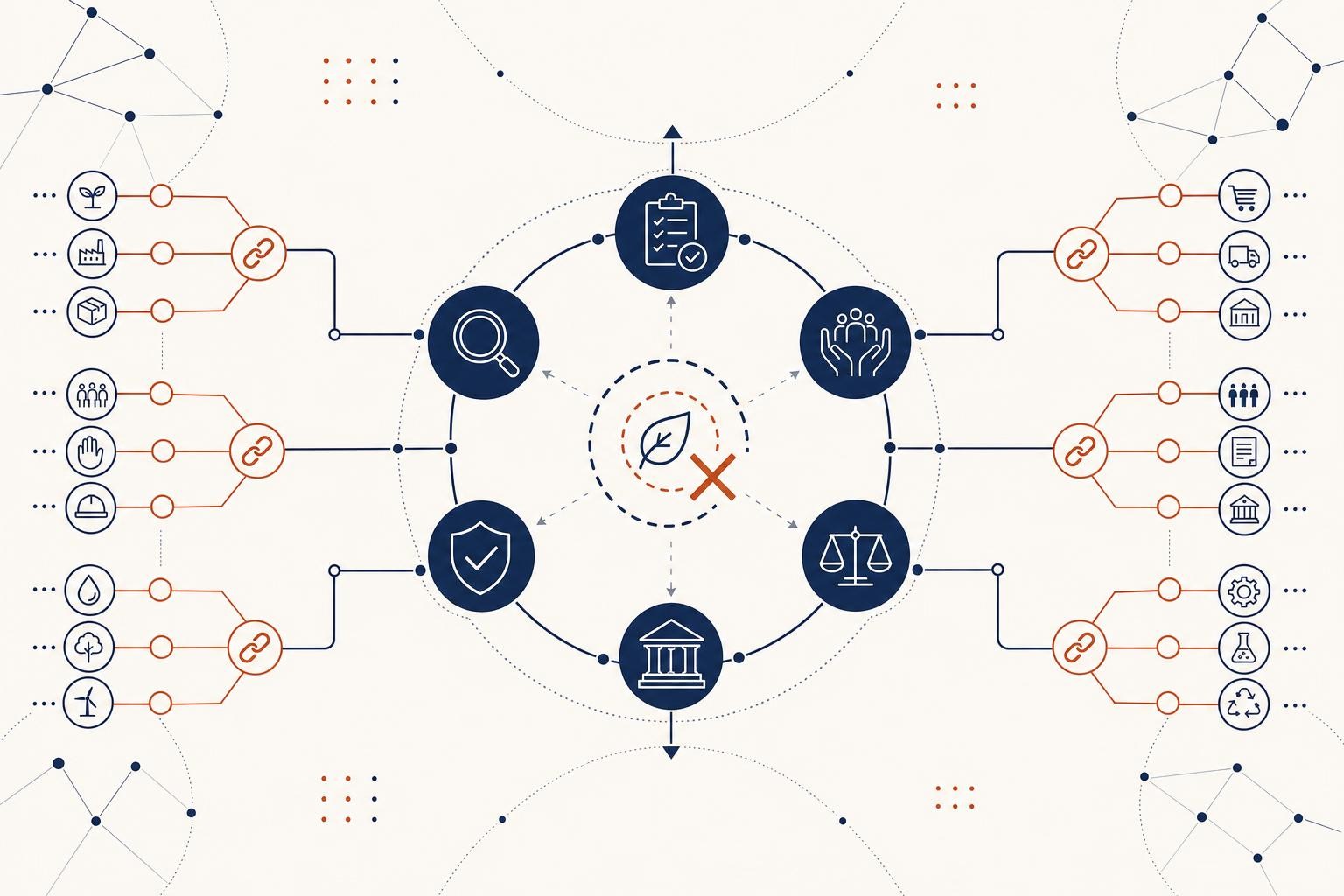
CSDDD Article 22 and the Climate Transition Plan: What the Final Omnibus Actually Did
The Final Omnibus deleted CSDDD Article 22 entirely, removing the duty to adopt and implement a Paris-aligned climate transition plan. Here's what that means in practice - and what still binds large companies.
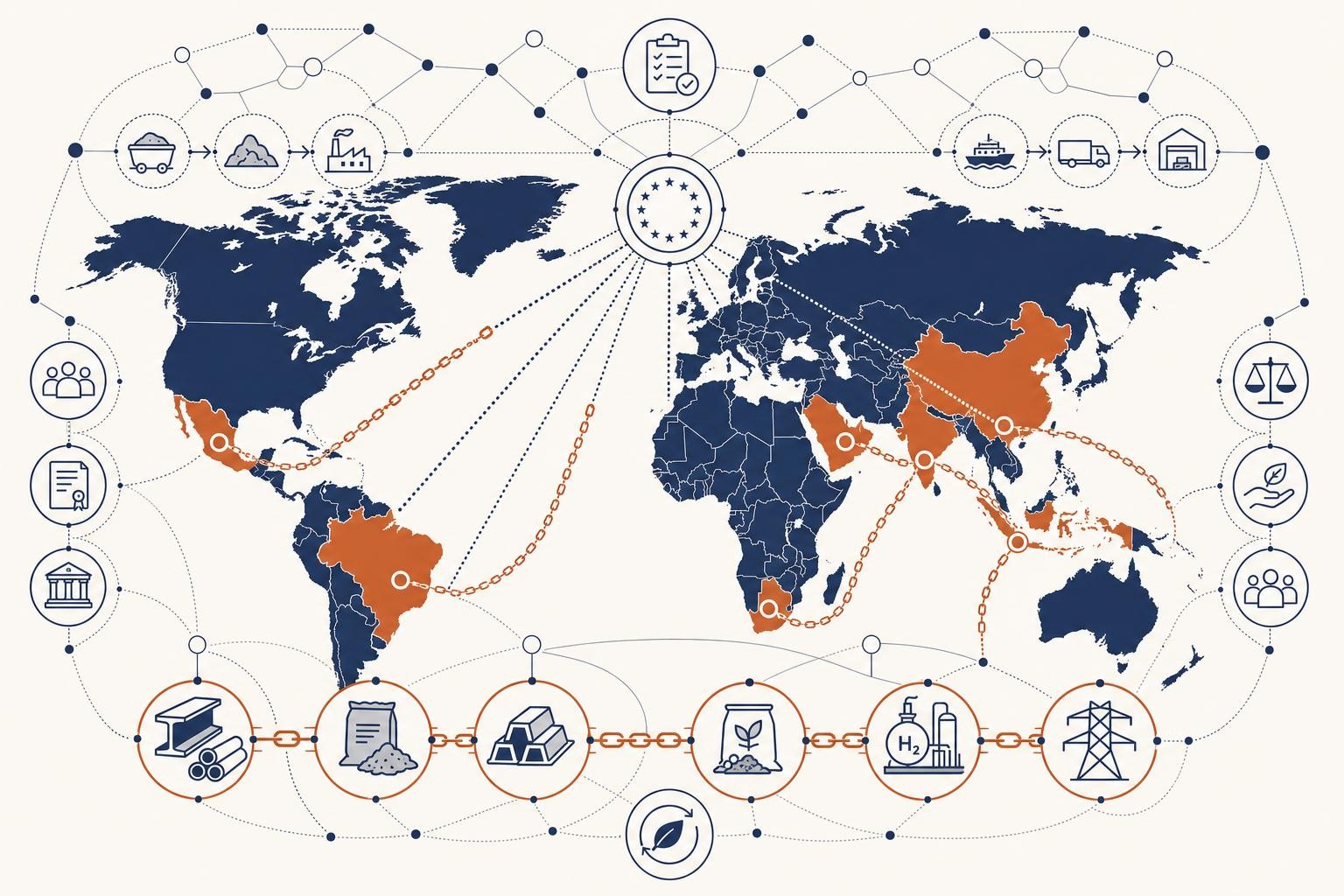
CBAM's Global Fault Lines: Which Exporting Countries and Sectors Face the Biggest Exposure in 2026
A data-led map of which exporting countries and sectors carry the highest CBAM liability in 2026 - and what EU importers should read into it when sourcing.
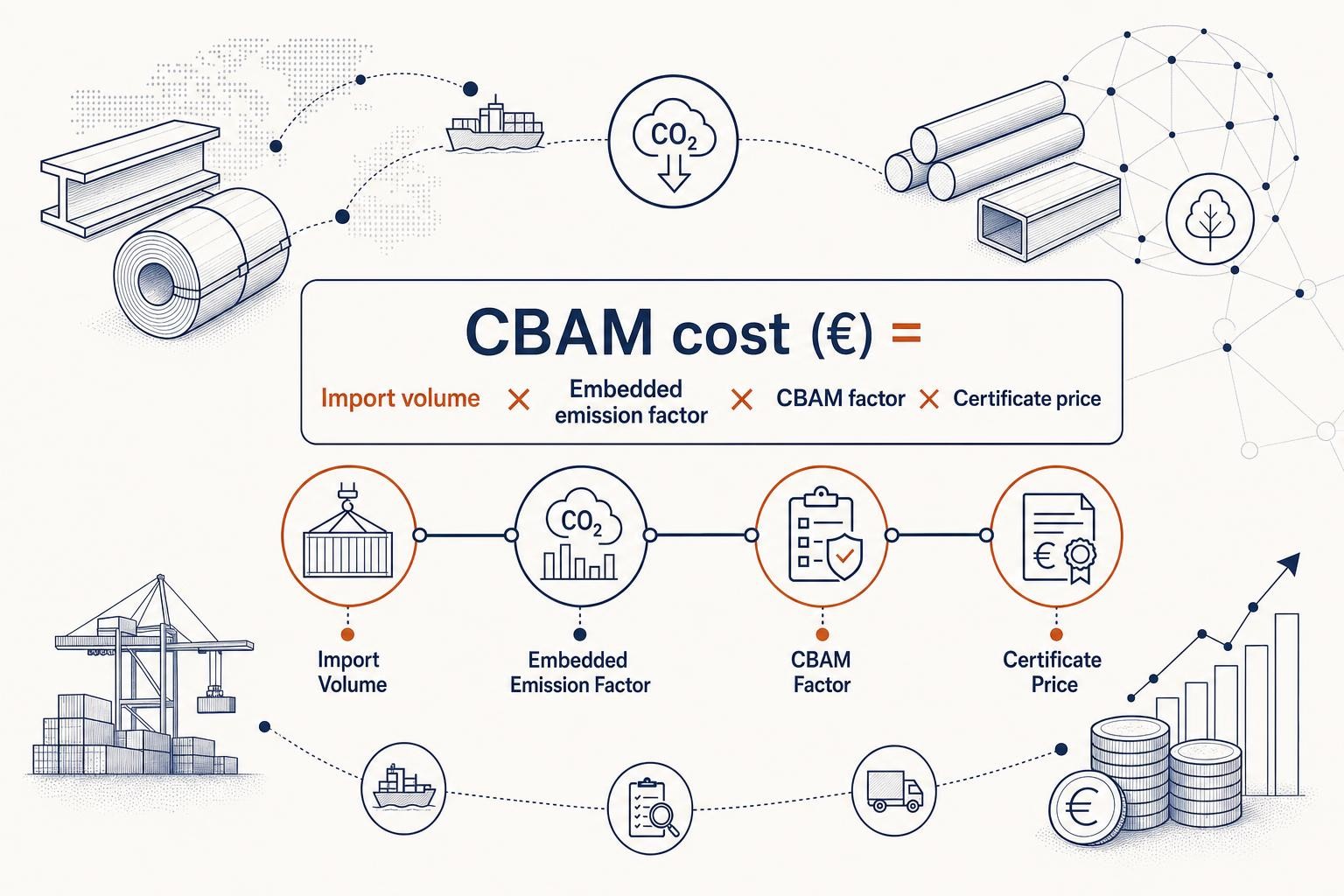
Your 2026 CBAM Certificate Bill: A Step-by-Step Cost Calculator Guide
Plug in your import volume, embedded emission factor, CBAM factor, and certificate price to estimate your 2026 CBAM bill. Worked examples for steel and aluminium included.
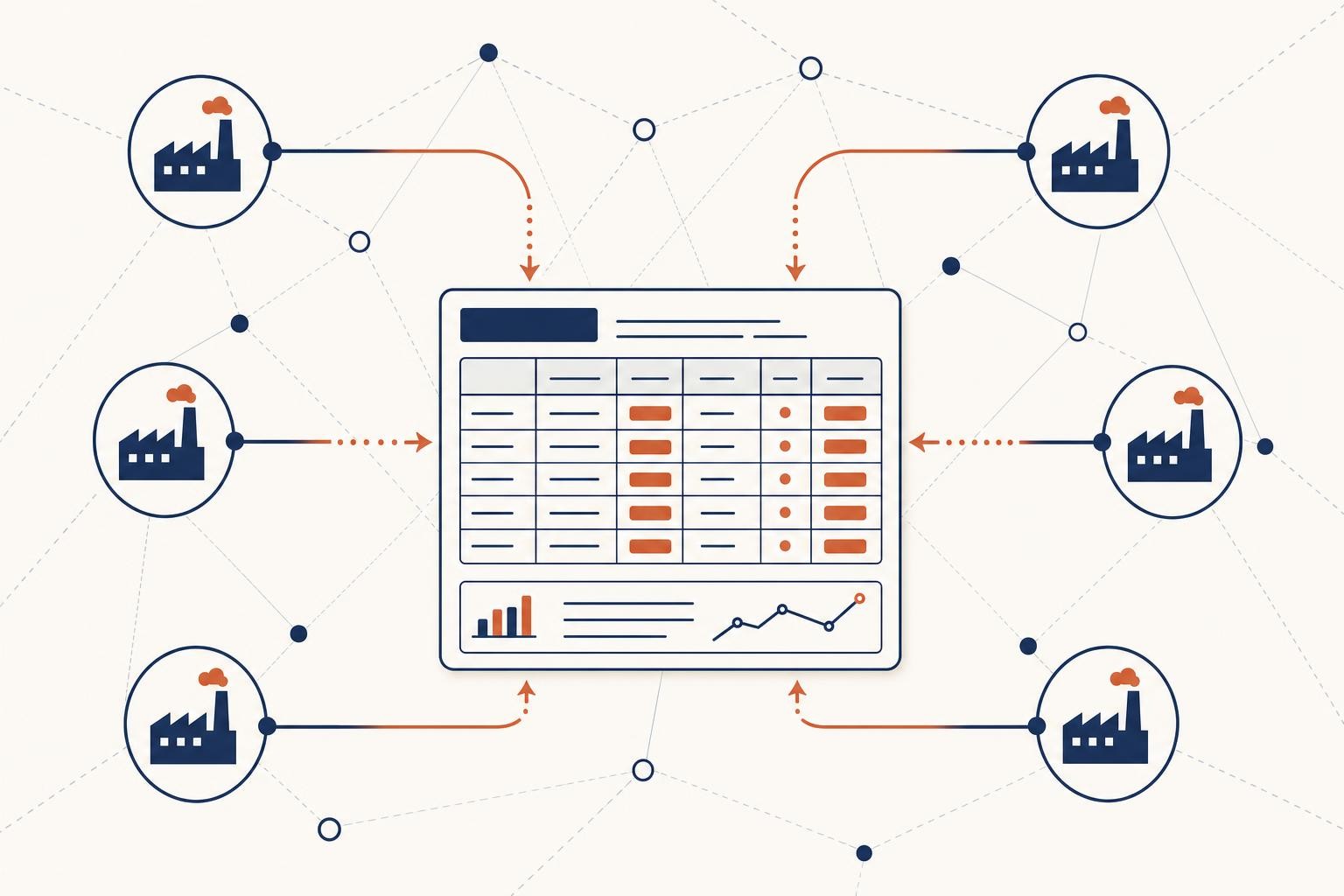
How to Run a CBAM Supplier Data Collection Process: A Step-by-Step Guide for EU Importers
A practical, importer-side guide to collecting actual embedded-emissions data from non-EU suppliers using the EU's CBAM communication template - who to contact, what to send, and what to do when suppliers don't respond.
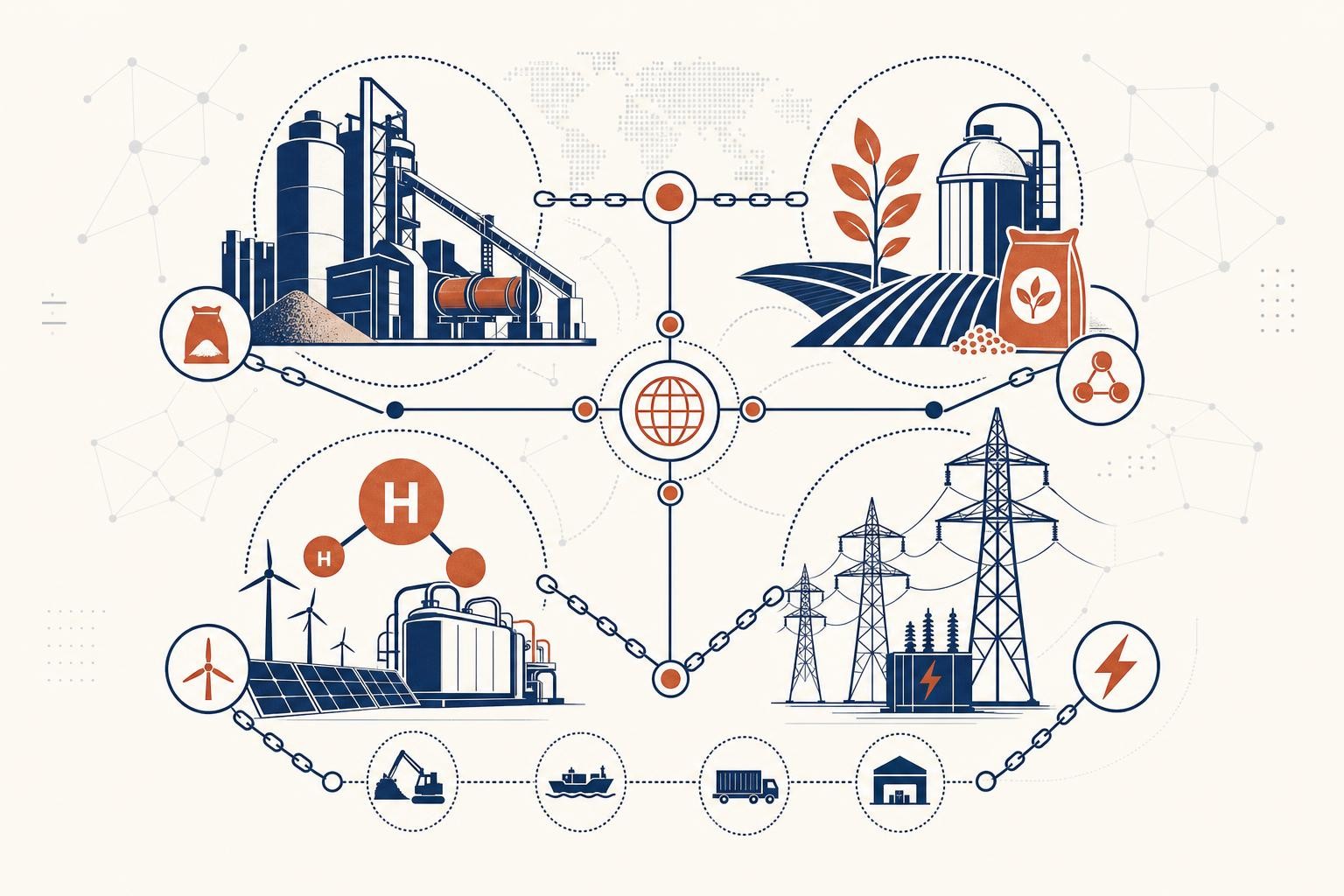
CBAM's Four Forgotten Sectors: Cement, Fertilisers, Hydrogen and Electricity
Steel and aluminium get all the CBAM attention. Here's the practical compliance guide for the four other carbon border adjustment sectors - cement, fertilisers, hydrogen, and electricity - and the traps unique to each.
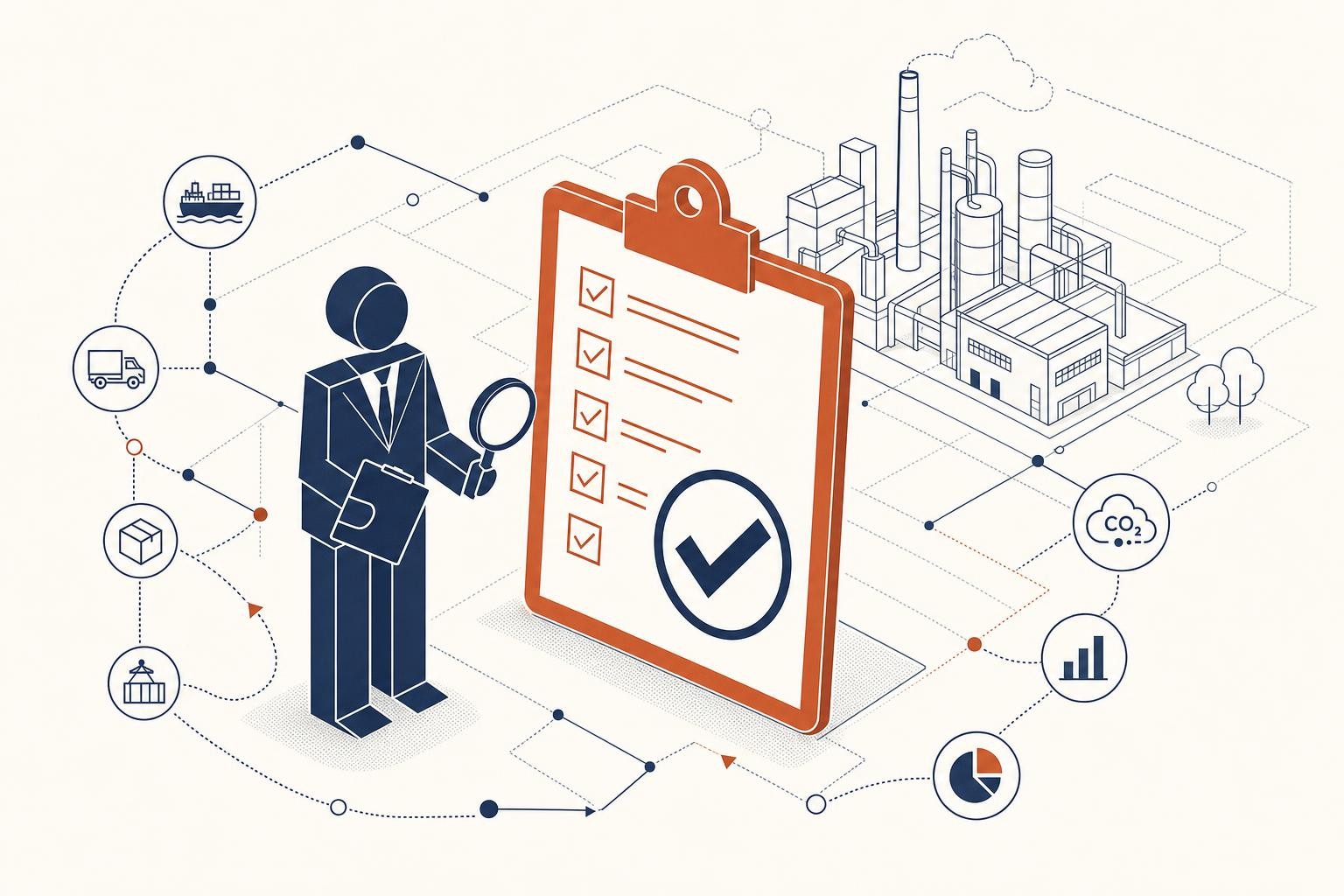
The CBAM Accredited Verifier: A Practical Guide for EU Importers and Their Suppliers
From 1 January 2026, actual embedded emissions data must be verified by an accredited CBAM verifier. Here's who they are, what they check, what it costs, and why you need to book one now.
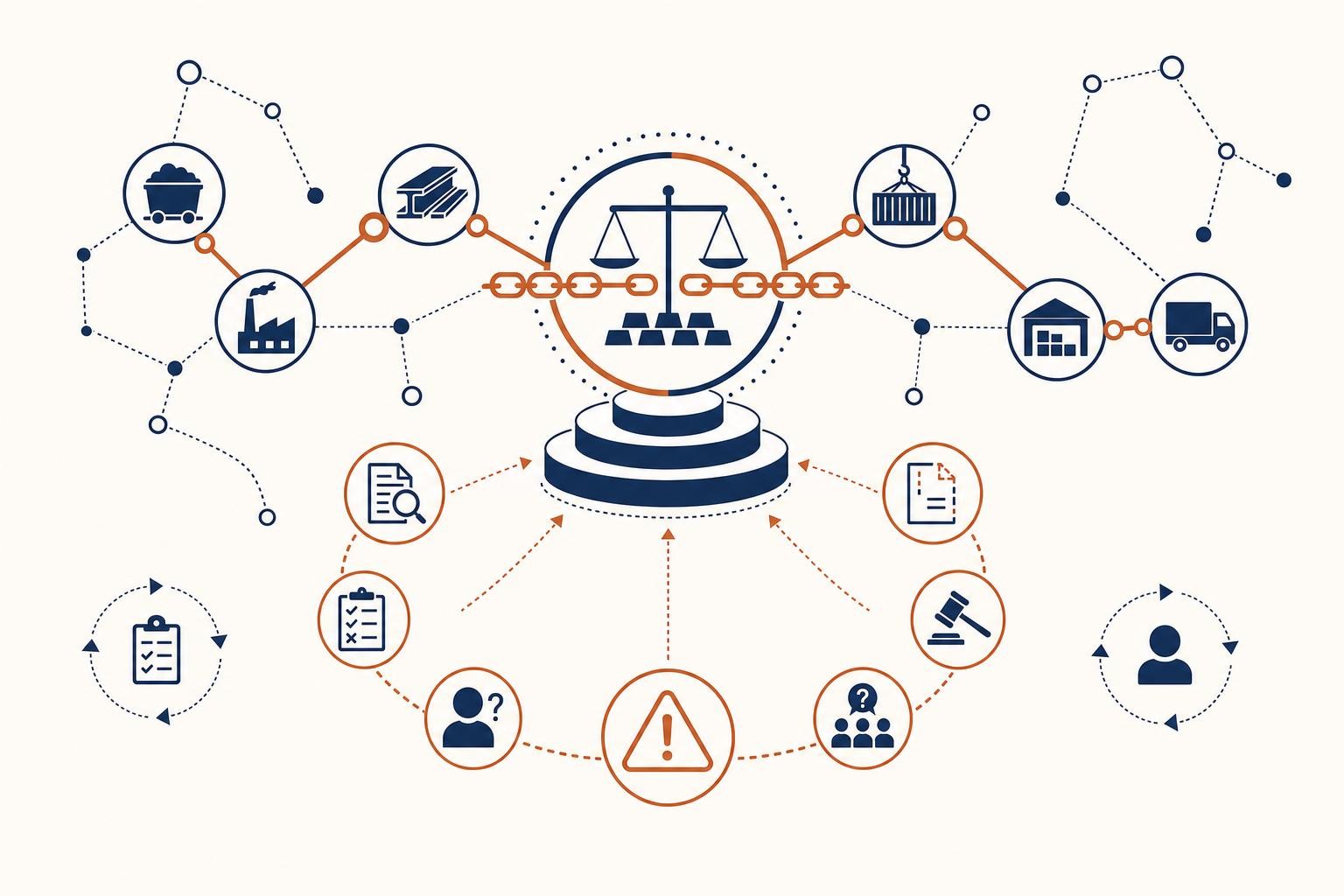
The CBAM 50-Tonne De Minimis Exemption: Who's Off the Hook, and the Traps That Catch People Who Assume They Are
The Omnibus I regulation introduced a 50-tonne mass-based de minimis exemption from CBAM. Here's exactly who qualifies, what the all-or-nothing trap means, and why hydrogen and electricity are never exempt.
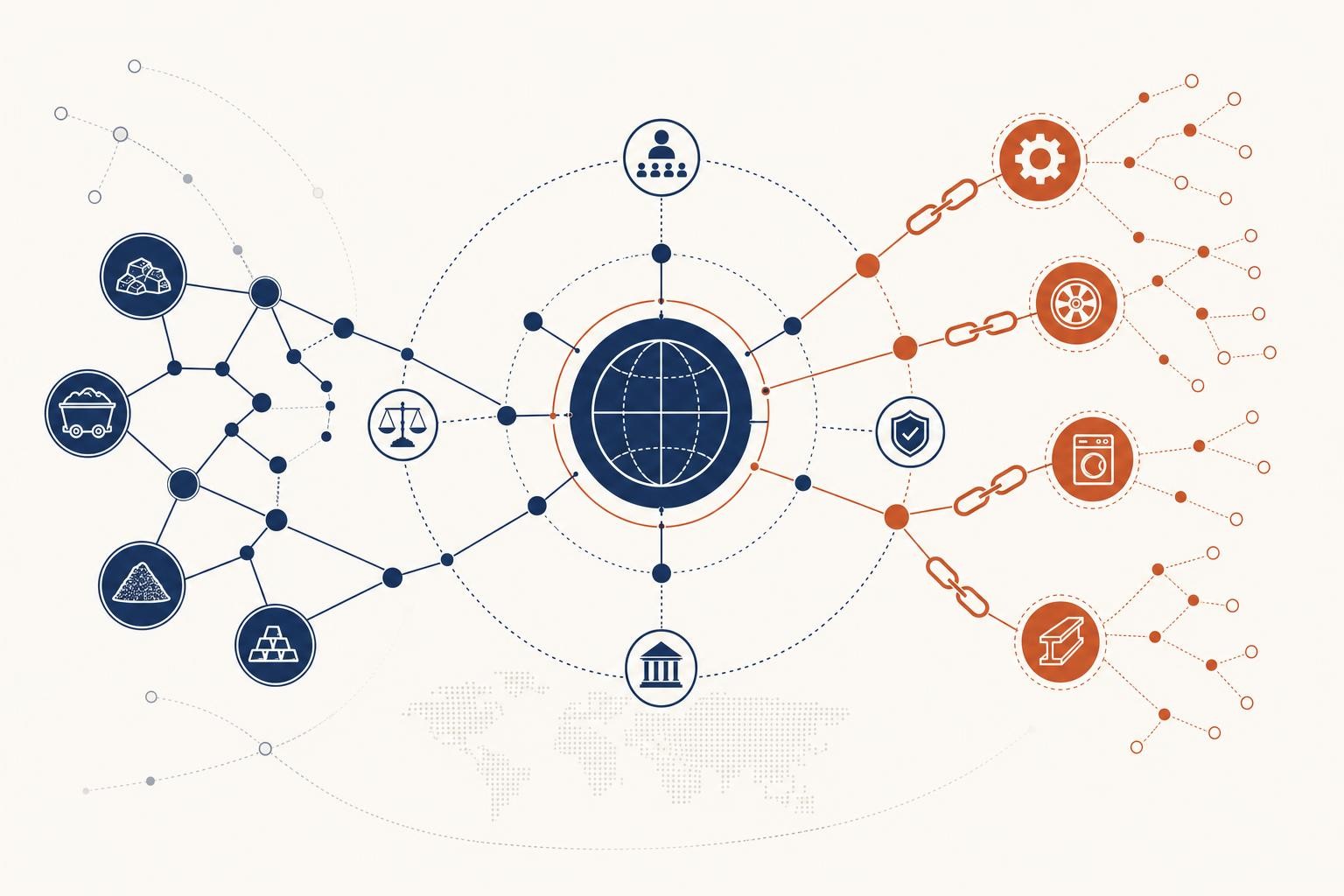
CBAM's Expanding Net: What Downstream Importers Need to Know About the Proposed Scope Extension
CBAM currently covers six raw-material sectors - but a December 2025 Commission proposal would pull ~180 downstream products into scope from 2028. Here's what importers of machinery, vehicle parts, appliances and fabrications need to know now.
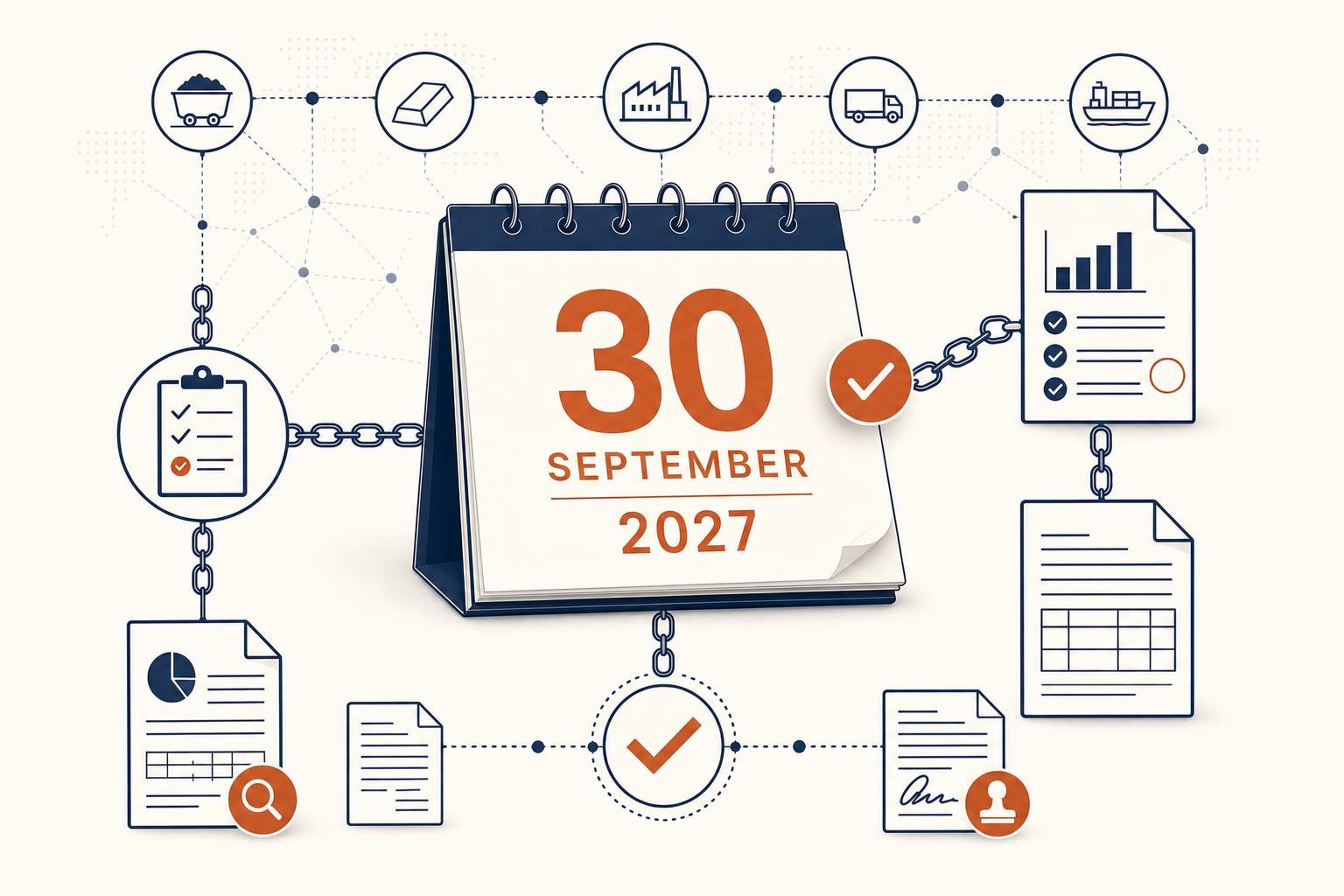
How to File Your First Annual CBAM Declaration: A Practical Guide to the 30 September 2027 Deadline
The first annual CBAM declaration covers 2026 imports and is due 30 September 2027 - not 31 May. Here's exactly what to file, what data you need, and how to prepare step by step.
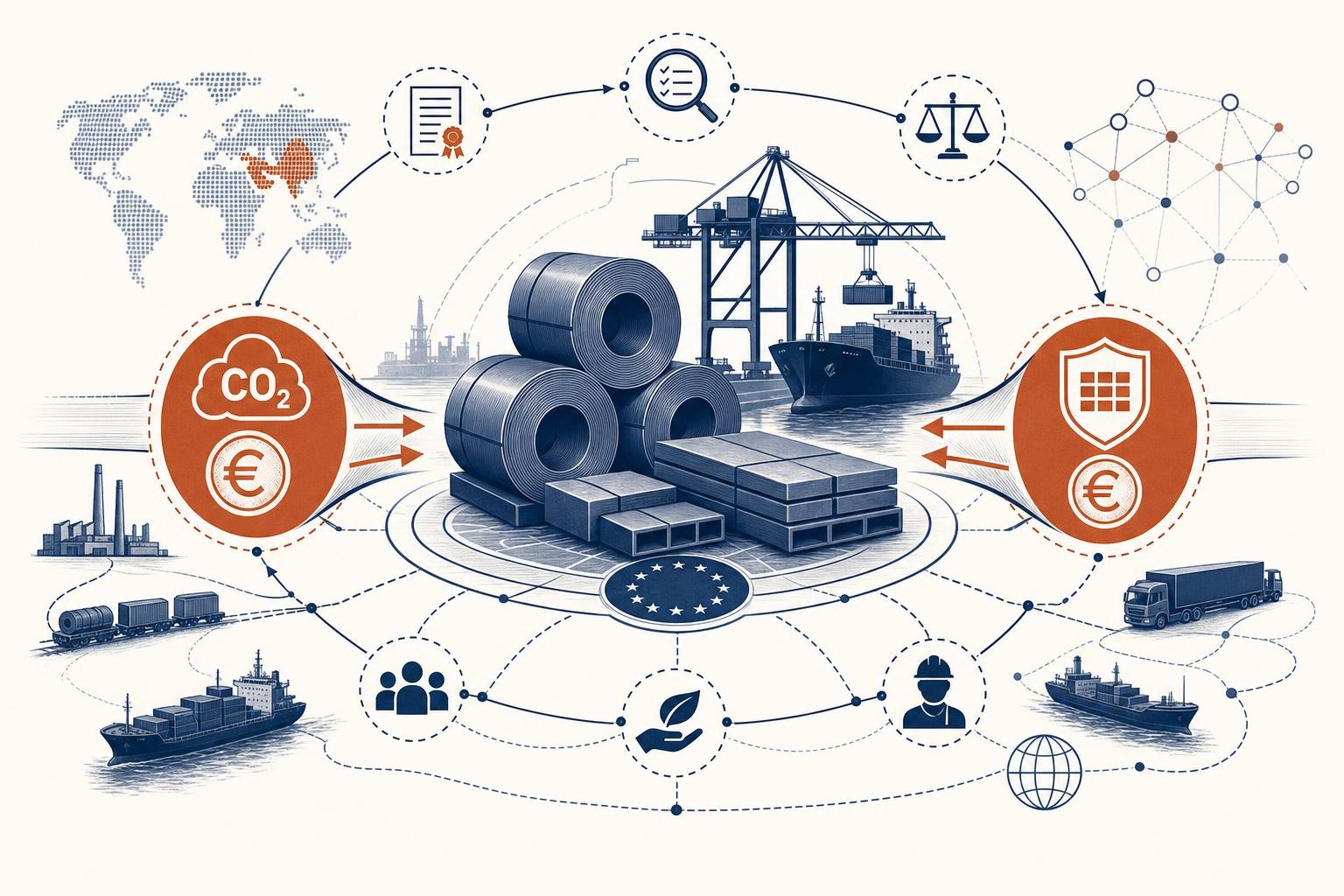
Steel's 2026 Double Squeeze: CBAM Goes Live and the Safeguard Gets Tougher
From 1 January 2026 CBAM is financially binding. From 1 July 2026 a tougher steel safeguard halves quota volumes and doubles the out-of-quota tariff to 50%. Here's what both mean for steel importers and exporters.
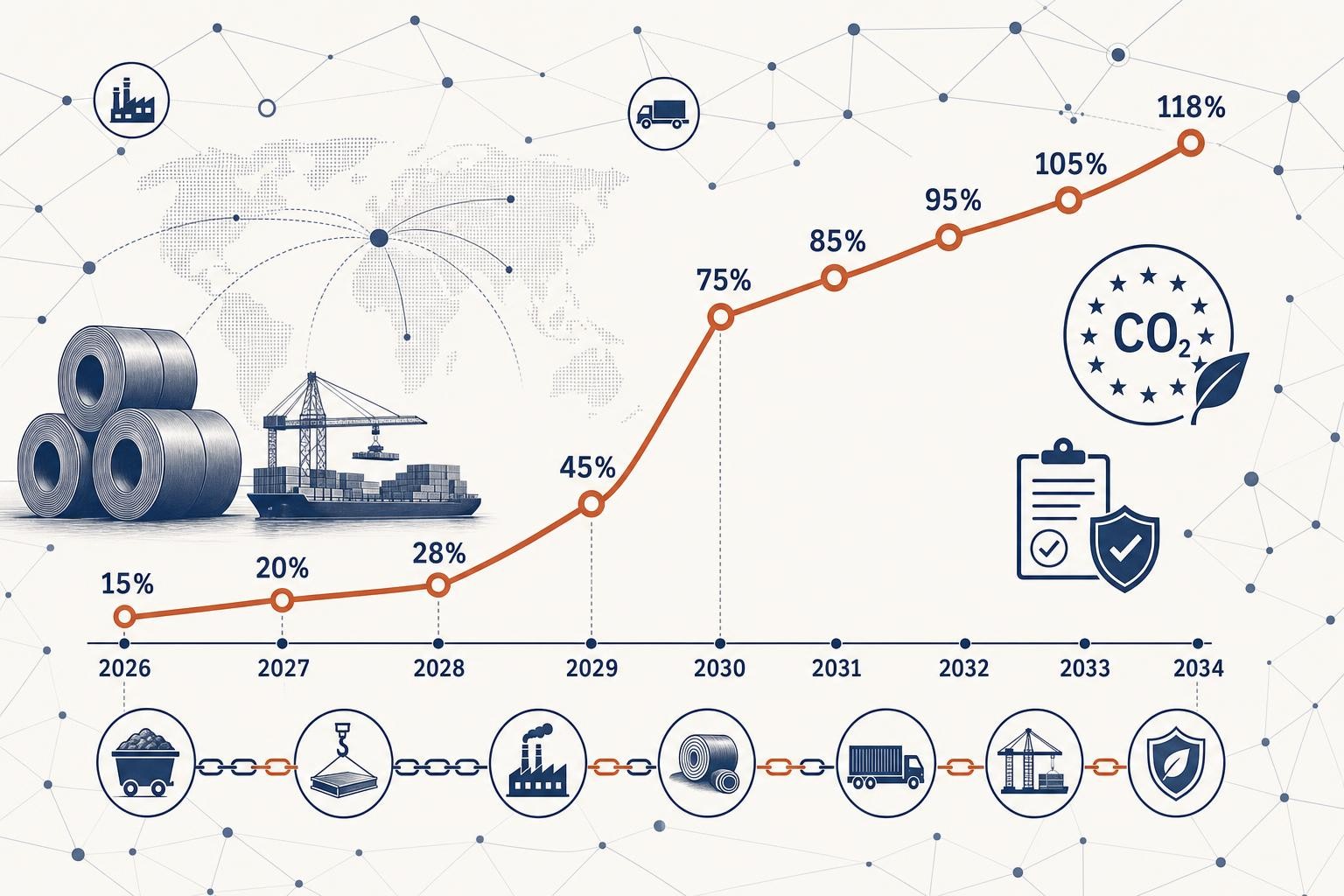
CBAM Cost Trajectory: Why 2026 Is Cheap and 2030 Will Hurt
CBAM looks affordable in 2026 - but the cost escalates nearly 40x by 2034. Here's the full phase-in schedule, the 2029-2030 cliff edge, and how to budget now.
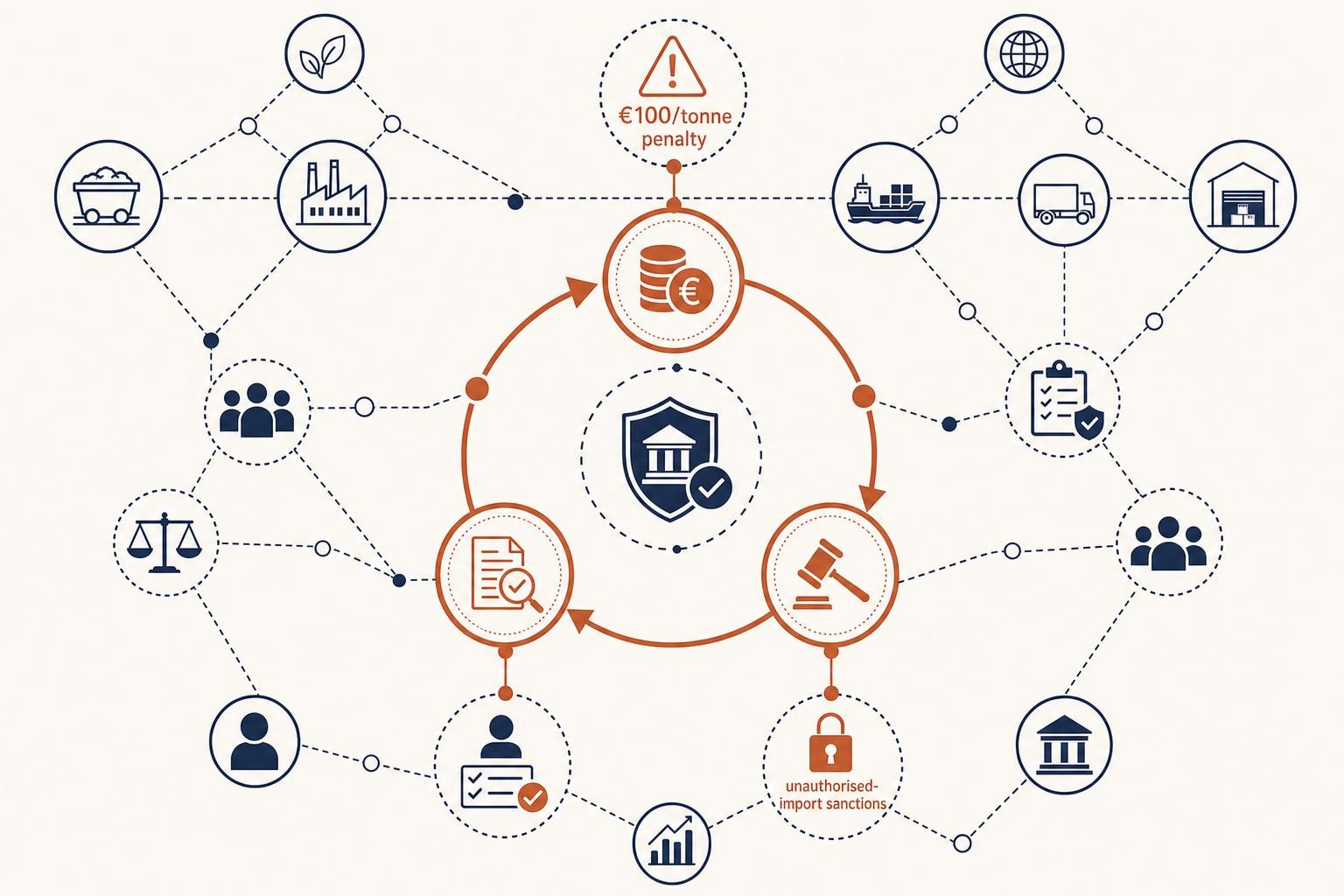
CBAM Penalties and Enforcement: What EU Importers Need to Know
A clear guide to CBAM penalties under the definitive regime - the €100/tonne rule, unauthorised-import sanctions, how member states enforce, and how to stay on the right side of the rules.
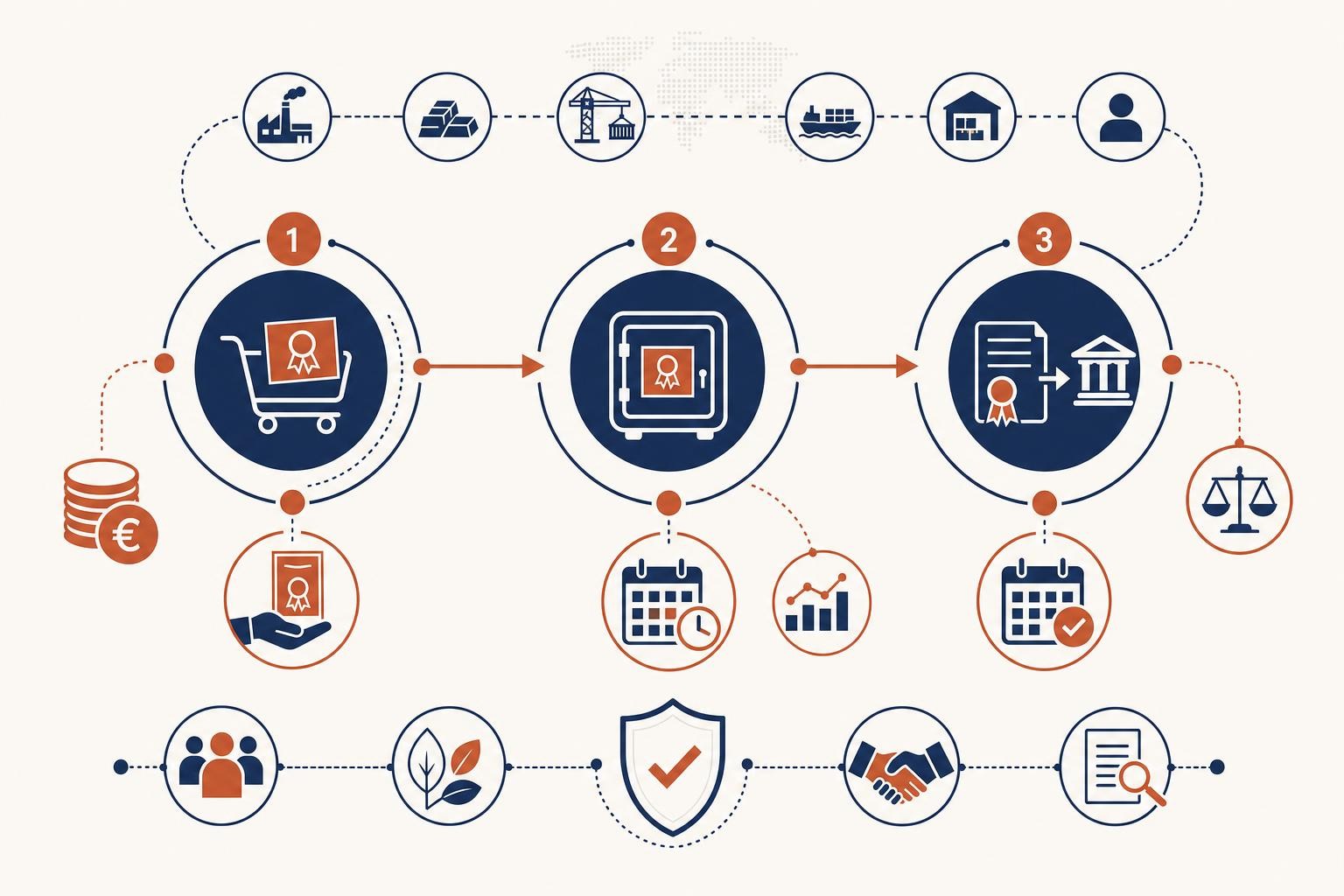
CBAM Certificate Lifecycle: Buying, Holding, and Surrendering - A Cash-Flow Guide for Importers
A plain-English guide to the CBAM certificate lifecycle - when to buy, the 50% quarterly holding rule, the 30 September surrender deadline, and how to plan your cash flow around EU ETS pricing.
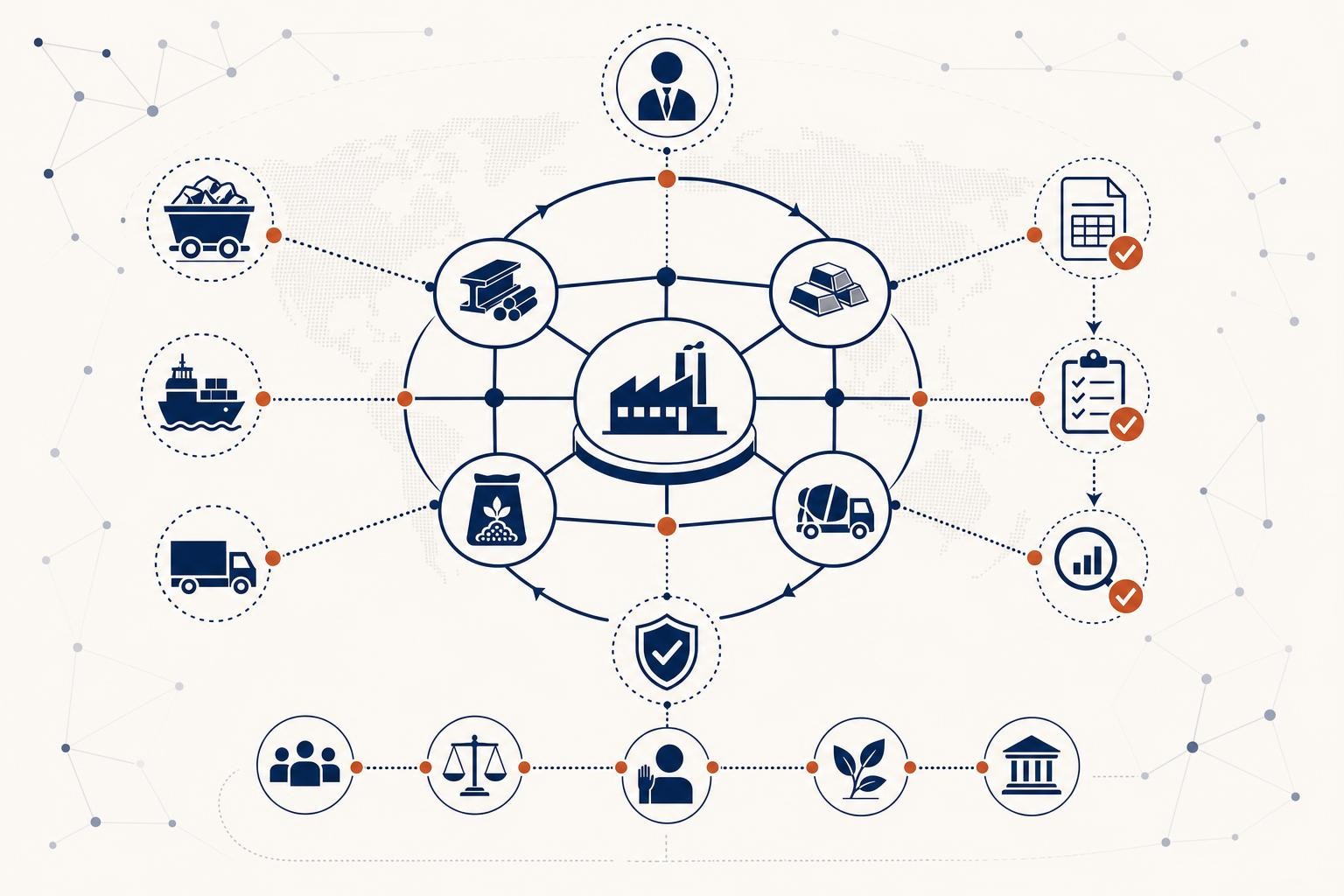
CBAM for Non-EU Exporters: Your Plain-English Guide to Supplier Data, Templates & Verification
Steel, aluminium, cement and fertiliser exporters selling into the EU: here's exactly what CBAM requires from you, how to fill the communication template, and how to get verified - before your EU buyers pay more than they should.
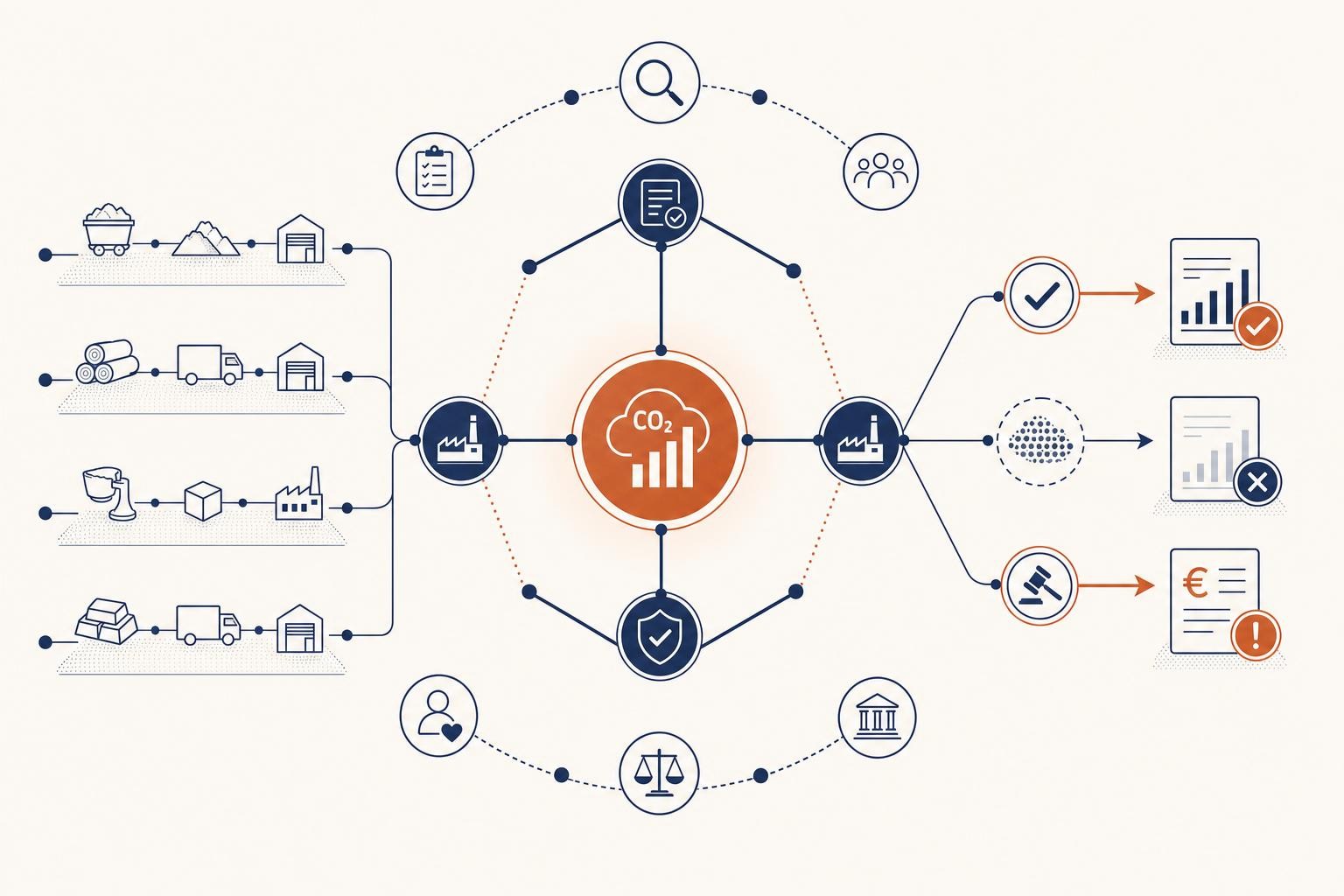
CBAM Embedded Emissions: How to Calculate Your Liability and Why Actual Data Beats Default Values
From 2026, CBAM embedded emissions determine your certificate bill. Learn the cost formula, how default values work, why they carry a growing markup, and what to do now to get verified supplier data in place.
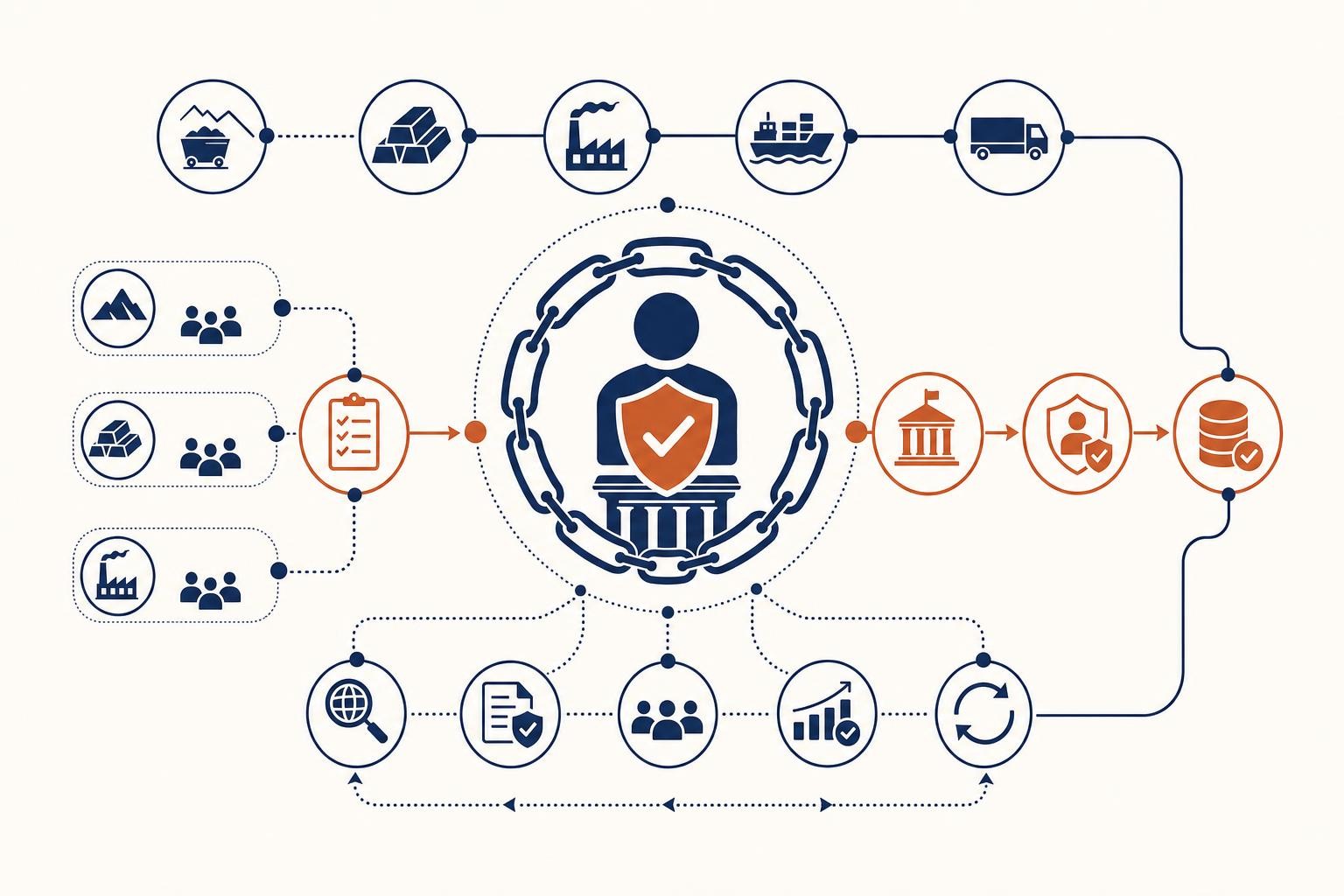
How to Get Authorised CBAM Declarant Status: A Step-by-Step Registry Guide
From 1 January 2026, only authorised CBAM declarants can import CBAM goods. Here's exactly how to apply through the CBAM Registry - scope check, NCA, documents, and timelines explained.
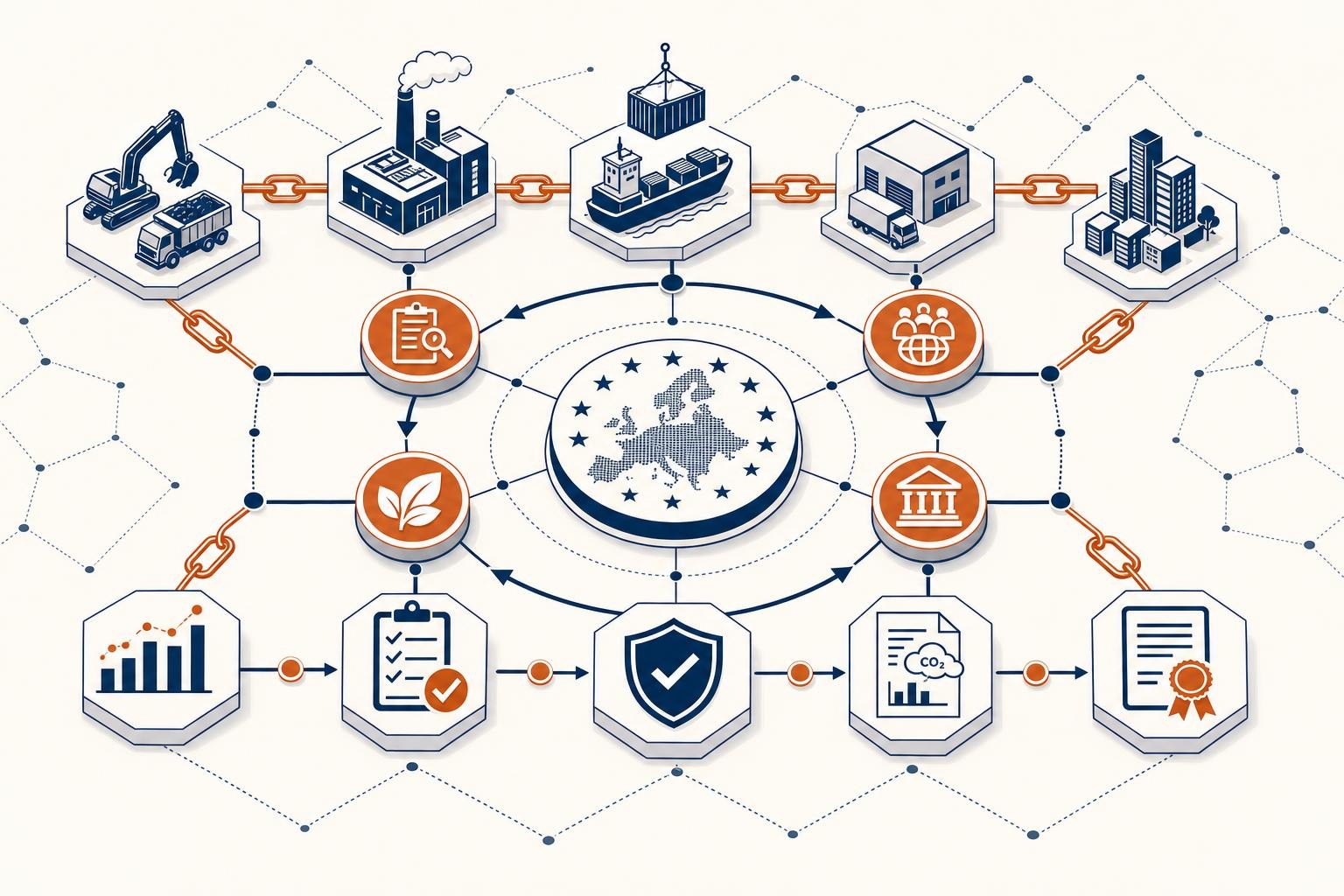
CBAM 2026: Your Complete Compliance Guide for the Definitive Phase
The CBAM definitive phase is live. Understand the 50-tonne threshold, authorised declarant status, certificate obligations, and key 2027 deadlines - in plain English.
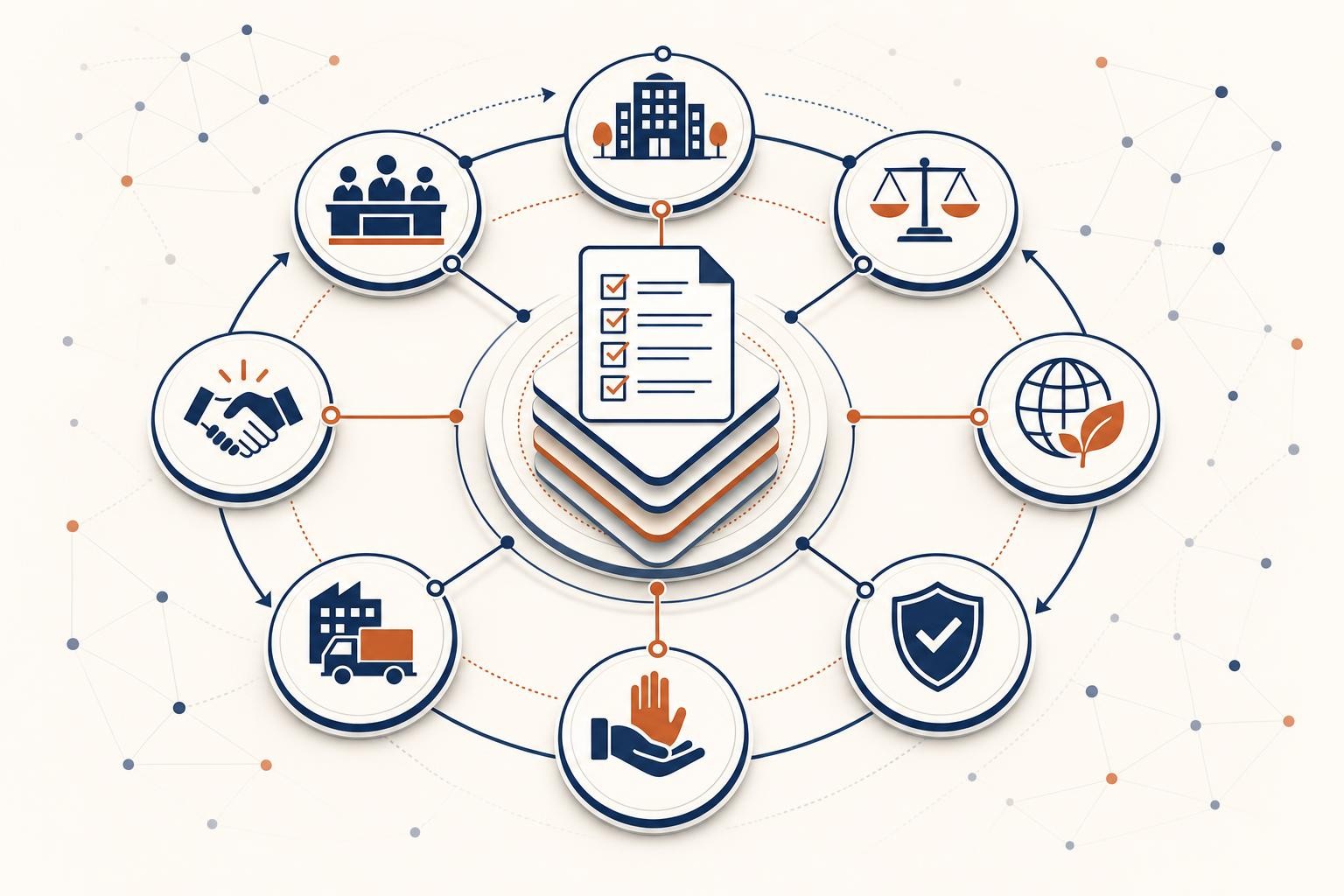
What goes in a CSDDD due diligence questionnaire
A CSDDD due diligence questionnaire gathers human-rights, environmental, ethics and governance data from suppliers. Here are the eight sections a good one covers, and how the value-chain cap keeps it proportionate.
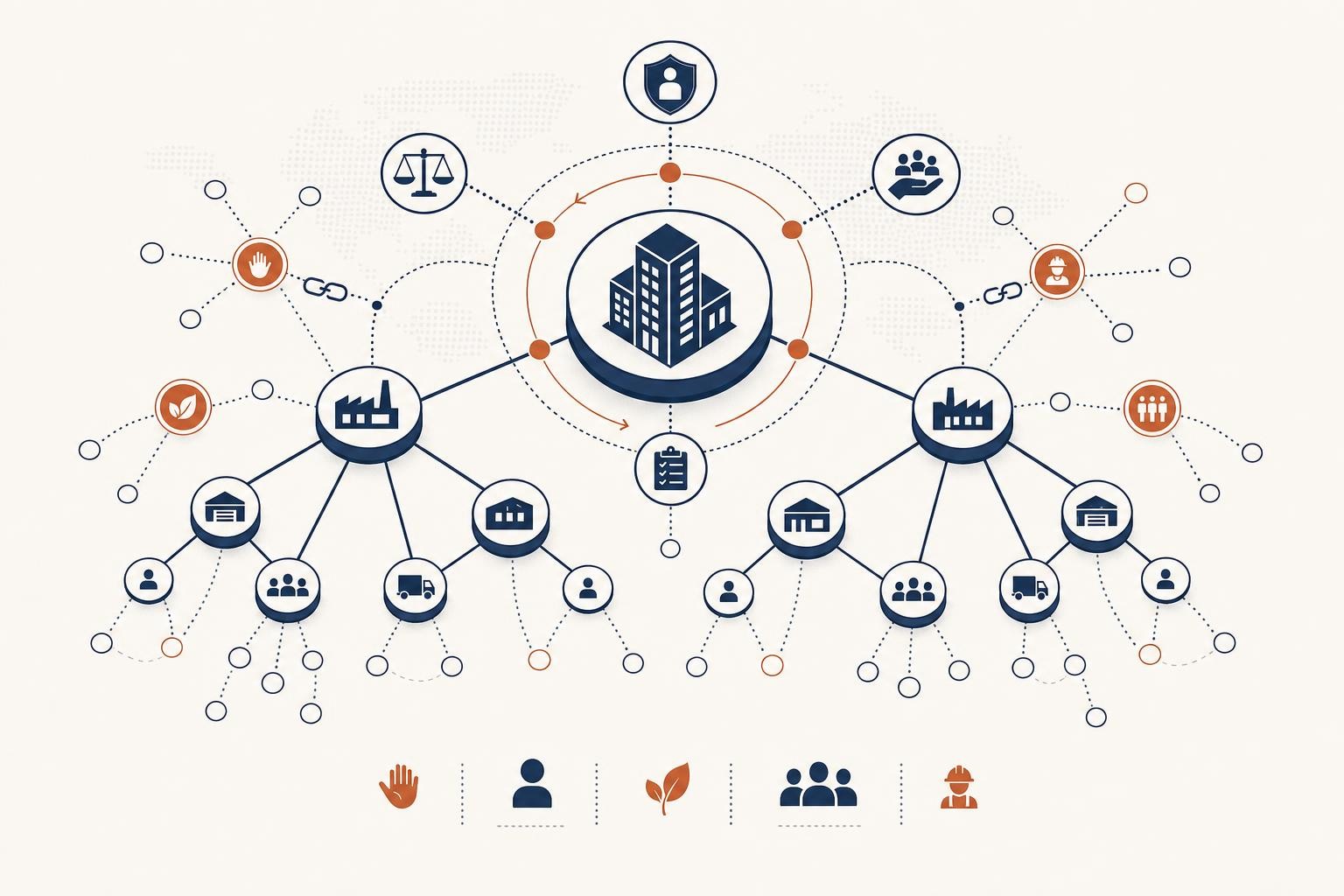
Are you in scope of the CSDDD after Omnibus I?
After Omnibus I, the CSDDD applies directly only to companies over 5,000 employees and €1.5bn turnover. But most companies feel it indirectly, as suppliers. Here's how to tell which applies to you.
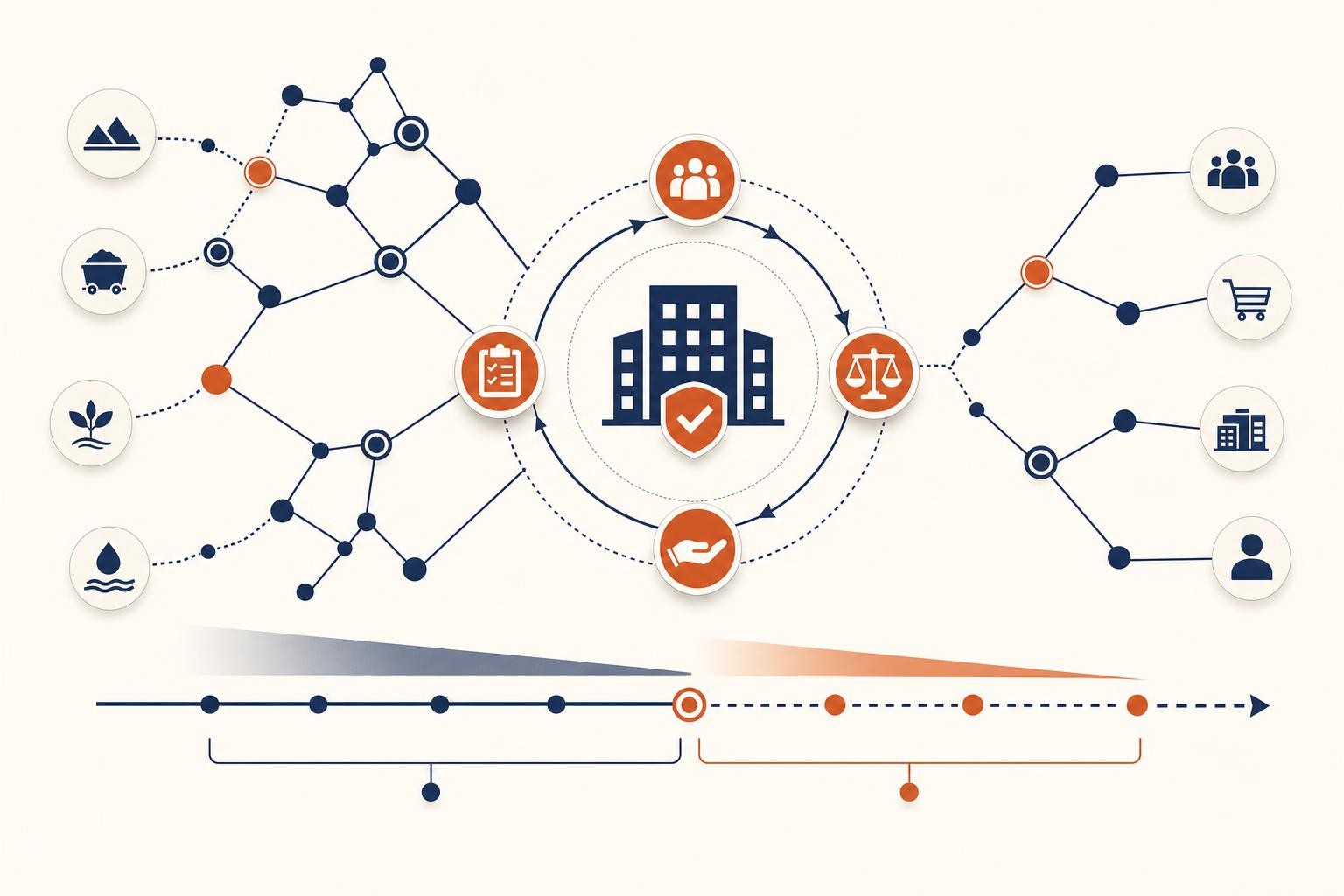
Omnibus I is now law: what actually changed for the CSDDD
The EU's Omnibus I package rewrote the CSDDD: far fewer companies in scope, one 2029 deadline, lighter ongoing duties, lower fines and no EU-wide civil liability. Here is what actually changed.